
Type set collecting has gotten complicated with all the different approaches and opinions flying around. As someone who built my first type set thirty years ago and has helped dozens of collectors start theirs since, I learned everything there is to know about why this approach works so well. Today, I will share it all with you.
This article includes affiliate links. We may earn a commission at no extra cost to you.
What Is Type Collecting?
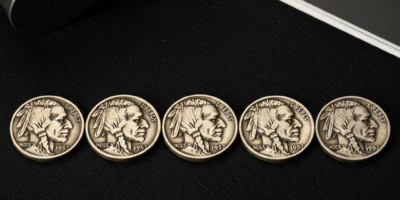
Type collecting focuses on design variety rather than chasing every date and mint mark. A type collector might own a single Buffalo nickel – chosen for condition and eye appeal – rather than attempting all 64 date-and-mint combinations the series produced.
This appeals to collectors who appreciate design diversity and want exposure to American numismatic history without the commitment date collecting requires. A basic type set goes together relatively quickly and affordably. Advanced sets challenge even well-funded collectors. That’s what makes this approach endearing to us – it scales to any budget.
The flexibility allows personalization. Some pursue strict design type definitions. Others expand scope to include subtle design variations or proof types alongside business strikes. Your set, your rules.
Defining Types
Determining what counts as a separate “type” requires judgment. Major design changes clearly define new types, but smaller modifications create gray areas.
Clear distinctions include the change from Seated Liberty to Barber coinage in 1892, or from Morgan to Peace dollars in 1921. Obvious design overhauls, separate type set positions.
Subtler changes generate debate. Adding “In God We Trust” to various denominations in 1866 created modified designs – new types or variations within existing types? Arrows added to quarter and half dollar dates in 1853 and 1873 signified weight changes – type distinctions or not? Collectors disagree.
The Red Book provides standard type breakdowns that most collectors follow. But your personal collecting goals may justify more inclusive or restrictive definitions. Nobody grades your type set but you.
Denomination-Based Approaches
Many collectors focus type sets on specific denominations – building complete design histories for cents, nickels, dimes, quarters, half dollars, or dollars. Provides depth within defined scope.
A complete large cent type set requires approximately fifteen coins spanning 1793-1857, including Chain, Wreath, Liberty Cap, Draped Bust, and Classic Head designs with major varieties. Several extreme rarities make true completion challenging. Expensive challenging.
Small cent types from 1857 through present include Flying Eagle, Indian Head, Lincoln Wheat, Lincoln Memorial, Lincoln Shield, and commemorative issues. More accessible – can be completed in circulated grades for modest investment.
Nickel types span Shield, Liberty Head, Buffalo, and Jefferson designs with various subtypes. No insurmountable challenges, making it popular among beginning type collectors. I recommend it as a starting point.
Silver and gold denominations offer greater challenges due to higher values and scarce early types. A complete quarter type set includes Draped Bust, Capped Bust, Seated Liberty (multiple subtypes), Barber, Standing Liberty, and Washington designs – some requiring significant investment.
The Short Type Set
Probably should have led with this section, honestly. Beginning collectors often start with a “short” type set covering designs from a specific era. Most popular approach includes types from 1892 through present, avoiding expensive early coinage while providing substantial variety.
This twentieth-century focus typically includes 25-30 coins depending on definitions. Major denominations from cent through dollar represented, with options for modern commemorative expansion.
Completing a short type set in circulated grades is achievable for most collectors with modest budgets. Upgrading to uncirculated adds cost but stays reasonable compared to complete date runs.
The Major Type Set
More comprehensive type sets include designs from all eras of U.S. coinage. A major type set covering cents through dollars requires approximately 50-70 coins depending on subtype definitions.
Early type coins (pre-1836) present greatest challenges. Draped Bust and Capped Bust types in gold denominations command substantial prices even in lower circulated grades. Some collectors substitute replicas or commemoratives for unaffordable rarities. No shame in that approach.
Building a major type set typically takes years. Collectors acquire pieces as opportunities arise and budgets permit. The journey provides much of the satisfaction – each addition expands the set’s scope and historical coverage.
Grade Selection Strategy
Choosing appropriate grades involves balancing budget constraints against eye appeal preferences. Several philosophies compete for attention.
The “best available” approach prioritizes condition regardless of premium. Advocates argue gem coins provide maximum long-term satisfaction and value appreciation potential. Valid point.
The “balanced grade” strategy selects coins in VF-EF range – attractive detail and eye appeal without premium pricing. Allows faster completion and broader coverage within budget constraints.
The “one-grade-fits-all” method maintains consistent grading across the entire set. Perhaps artificial, but provides visual consistency some collectors find appealing.
Practical collectors often blend strategies – acquiring common types in higher grades while accepting circulated examples for expensive rarities. This flexible approach balances completion goals against quality preferences. It’s what I do.
Acquiring Type Coins
Building a type set requires patience and market awareness. Several approaches serve different needs.
Coin shows provide opportunities to examine coins directly before purchase. Dealers at major shows carry diverse inventory including type coins. Comparing examples side-by-side helps ensure quality selection.
Online auctions offer convenience and often competitive pricing but prevent physical examination. Rely on detailed photography and grade descriptions. Prefer certified coins when possible.
Local coin shops may have type coins in stock or can source specific pieces. Building relationships with reputable dealers provides access to coins before they reach the broader market. Worth cultivating.
Other collectors sometimes sell directly. Collector-to-collector transactions can offer favorable pricing but require careful evaluation since no dealer reputation backs the transaction.
Specialized Type Collecting
Beyond basic type sets, specialized approaches attract advanced collectors seeking unique challenges.
Proof type sets include only proof examples of each design type. Since some types were never struck as proofs, such sets only include types where proof production occurred. Inherent rarity of early proof coinage makes advanced proof type sets extremely challenging.
First-year or last-year type sets focus on specific production history points. First-year coins often carry modest premiums due to collector demand. Last-year issues sometimes represent lower mintages as production wound down before design changes.
Mint mark type sets expand basic types to include examples from each mint that produced specific designs. Multiplies set size considerably and introduces scarcer coins from lower-production mints.
Error type sets collect one example of various error types: off-centers, clips, doubled dies, repunched dates. Specialized area requiring study of error attribution and authentication. Deep rabbit hole.
Displaying and Storing Type Sets
Proper housing showcases collections while providing protection. Several options address different needs.
Certified coins in holders stack neatly in specialized boxes designed for standard holder sizes. Protects coins while facilitating storage and organization.
Album pages designed for type sets provide attractive display. Dansco, Whitman, and other manufacturers produce albums specifically for type collecting, with labeled spaces for each type.
Custom display cases allow personalized presentation of raw or certified coins. Shadow boxes, framed displays, custom wood cases transform collections into decorative pieces suitable for display.
Whatever method chosen, protect coins from environmental hazards. Avoid PVC-containing materials. Use PVC-free Mylar flips for raw coins. Maintain stable temperature and humidity. Minimize handling of unprotected coins.
Type Collecting as Foundation
Many successful numismatists began with type collecting before specializing. The broad exposure helps collectors identify where their interests truly lie. I’ve watched it happen repeatedly.
Completing a type set builds knowledge across multiple series and eras. This foundation supports informed decision-making as collecting interests evolve and specialize.
Type sets also serve as tangible educational resources. Each coin tells its era’s story – political, economic, and artistic influences appear in design choices and metallurgical decisions.
For collectors who never specialize beyond type collecting, the pursuit provides lifelong satisfaction. The diversity ensures continuing interest as new pieces are acquired and appreciated.
Investment Considerations
Type coins have demonstrated solid value appreciation over extended periods, though short-term fluctuations occur. Several factors influence investment potential.
Condition rarity affects value more than type rarity for many issues. A common type in exceptional grade may appreciate more rapidly than a scarcer type in average condition.
Market conditions influence all rare coin values. Economic uncertainty often increases precious metals and collectibles demand. Prosperity may redirect spending toward alternatives. Both patterns repeat.
Quality over quantity typically serves collectors better than accumulating marginal pieces. Investment considerations aside, a smaller collection of excellent coins provides more satisfaction than boxes of mediocre examples. Trust me on this one.
Conclusion
Type collecting provides a structured yet flexible approach to American numismatics. Whether building a short set focused on twentieth-century designs or pursuing comprehensive coverage of all U.S. coin types, the pursuit rewards collectors with diverse, historically significant collections.
Start with clear goals aligned with your interests and budget. Acquire quality pieces patiently. Avoid the temptation to accept inferior examples simply to fill spaces. Protect your collection properly. And most importantly, enjoy the journey through American numismatic history that type collecting provides.
This approach proves that meaningful collecting doesn’t require unlimited budgets or decades of dedication. With thoughtful planning and steady progress, any collector can build a type set worthy of pride and appreciation.


Stay in the loop
Get the latest numisma news updates delivered to your inbox.