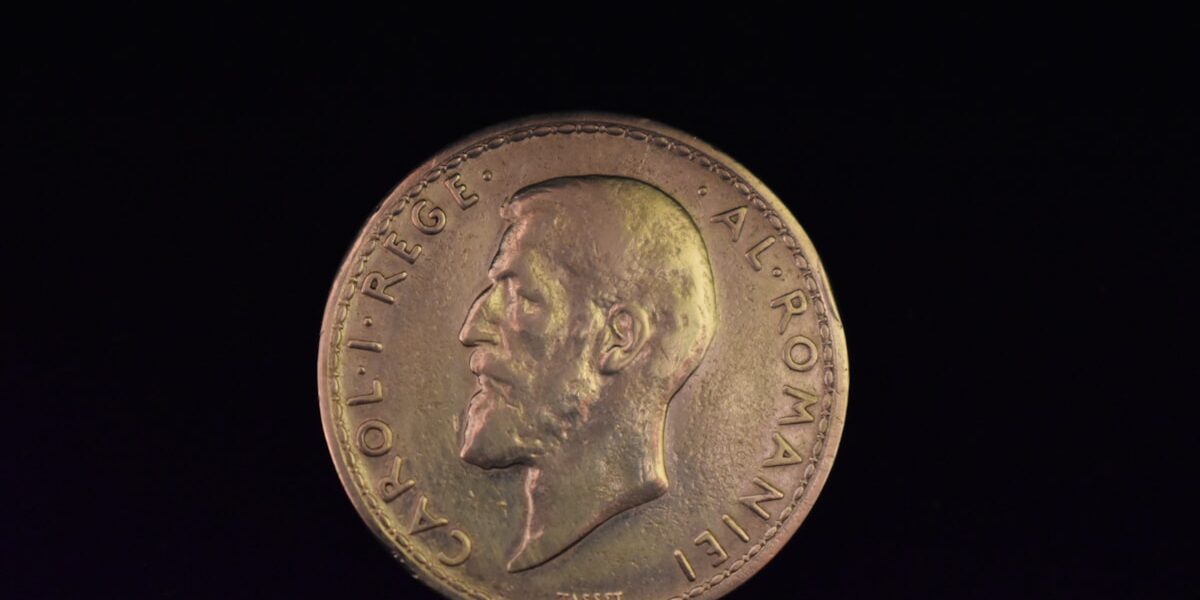
Coin collecting attracts newcomers every day, but many beginners feel overwhelmed by the hobby’s complexity. This comprehensive guide covers everything you need to know to start collecting coins intelligently, avoid costly mistakes, and build a collection you’ll be proud of for decades.
This article includes affiliate links. We may earn a commission at no extra cost to you.
Why People Collect Coins
Before diving into the mechanics of collecting, understanding your motivation helps guide your approach. Some collectors focus on historical significance, drawn to holding pieces of history in their hands. Others appreciate the artistry of coin design or enjoy the treasure-hunting aspect of searching through pocket change.
Investment-oriented collectors view coins as tangible assets that have historically preserved wealth across generations. The key is recognizing that different goals require different strategies. A collector seeking beautiful examples needs different coins than someone prioritizing potential appreciation.
Many successful collectors start with one motivation and evolve over time. There’s no wrong reason to collect, but clarity about your goals helps focus your resources effectively.
Understanding Coin Grading
Coin grading measures a coin’s condition on a standardized scale. The Sheldon scale, developed by Dr. William Sheldon in 1949, assigns numbers from 1 to 70. Most collectors encounter grades from About Good (AG-3) through Mint State (MS-60 to MS-70).
The major grading categories include:
Circulated grades (1-58): Coins that show wear from use. These range from barely identifiable (Poor-1) to nearly uncirculated (AU-58) with only slight highpoint wear.
Mint State grades (60-70): Coins showing no wear from circulation. Differences between grades reflect contact marks, luster, and strike quality. A MS-65 gem shows minor contact marks while MS-67 examples are exceptional, with only microscopic imperfections.
Proof grades (PR/PF 60-70): Specially struck coins with mirror-like fields, graded separately from business strikes.
Third-party grading services like PCGS and NGC provide expert opinions encapsulated in tamper-evident holders. While grading services charge fees, their assessments provide market confidence and facilitate transactions between strangers.
New collectors should study grading through reference books and online resources before making significant purchases. Understanding the difference between VF-30 and VF-35 takes time but proves essential for smart buying.
Starting Your First Collection
Most numismatists recommend beginners start with a focused area rather than acquiring random coins. Popular starting points include:
Type sets: One example of each major design within a series. A 20th-century type set might include Buffalo nickels, Mercury dimes, Standing Liberty quarters, and Walking Liberty half dollars. Type collecting teaches design history without requiring expensive key dates.
Date sets: Every year of a particular series. Lincoln cents from 1909 to present offer an affordable entry point with interesting varieties. Morgan dollars provide more substantial coins with fascinating history.
Short sets: A subset of years within a longer series. Collecting Roosevelt dimes from 1946-1964 (silver issues) or Washington quarters from 1932-1964 offers manageable goals with clear endpoints.
Topical collections: Coins connected by theme rather than series. Presidents on coins, animals in design, or commemoratives honoring specific events allow creative expression.
Whatever focus you choose, resist the urge to buy everything interesting. Discipline builds better collections than scattered enthusiasm.
Where to Buy Coins
Coin acquisition options range from convenient to specialized. Each source has advantages and considerations:
Local coin shops: Brick-and-mortar dealers offer the advantage of examining coins in hand before purchase. Building relationships with reputable local dealers provides access to their expertise and first look at new inventory. Prices may be slightly higher than online sources, but the educational value and ability to inspect coins often compensates.
Coin shows: Regional and national shows bring together dozens or hundreds of dealers. Shows offer tremendous selection and competitive pricing since dealers know buyers can easily compare. Major shows like the ANA World’s Fair of Money, FUN, and Long Beach attract the hobby’s finest material.
Online dealers: Established online dealers like APMEX, JM Bullion, and specialized numismatic firms offer convenience and selection. Reputable dealers provide return policies and accurate grading. Always verify dealer reputation through review sites and collector forums.
Auction houses: Heritage, Stack’s Bowers, and other auction firms sell everything from common coins to world-class rarities. Online bidding has democratized auction access. Auction prices establish market values for rare material, though buyer’s premiums (typically 15-20%) must be factored into total costs.
Online marketplaces: eBay and similar platforms offer wide selection but require careful evaluation. Buy only certified coins from high-rated sellers when starting out. Raw coins from unknown sellers carry significant authenticity and grading risk.
Bank rolls and pocket change: Searching rolls and change costs only face value, making it risk-free. While valuable finds are rare, the hunt provides entertainment and occasionally yields silver coins, errors, or other keepers.
Avoiding Counterfeits and Problem Coins
Counterfeiting threatens collectors at all levels. Chinese counterfeits have flooded the market, with some fakes sophisticated enough to fool inexperienced collectors.
Protection strategies include:
Buy certified: Coins in PCGS, NGC, ANACS, or ICG holders have been authenticated by experts. While not infallible, major services catch the vast majority of fakes. Verify holder authenticity through each service’s online database.
Know your dealer: Established dealers stake their reputations on authenticity. They’ll stand behind their sales and typically offer return privileges.
Educate yourself: Study genuine examples before buying. Learn the details of designs you collect. Many fakes fail on basic design elements that knowledgeable collectors spot instantly.
Trust your instincts: If a deal seems too good, it probably is. A genuine 1909-S VDB cent in VF condition won’t sell for $100. Unrealistic prices signal problems.
Beyond counterfeits, collectors should recognize “problem” coins that have been cleaned, whizzed, or artificially toned. Such coins trade at significant discounts to original examples. Certification holders note problems like cleaning, which protects buyers but also confirms the defect affects value.
Storage and Preservation
Proper storage preserves your investment and maintains coin appearance. Environmental enemies include moisture, air pollution, temperature extremes, and improper handling.
Recommended storage methods:
Certified holders: PCGS and NGC holders provide excellent protection. Store slabs upright in boxes designed for the purpose to prevent case damage.
2×2 cardboard flips: Inexpensive and effective for raw coins. Use only archival-quality holders with Mylar windows, not PVC-containing plastics that damage coins over time. SAFLIP Double Pocket Safety Flips are PVC-free and widely trusted by serious collectors.
Air-tite capsules: Hard plastic capsules protect valuable raw coins while allowing visibility. Various sizes accommodate different denominations. Air-Tite Direct Fit capsules snap securely and keep coins sealed against humidity and fingerprints.
Albums: Coin albums with sliding plastic covers display collections attractively while providing reasonable protection. Dansco and Whitman offer quality options.
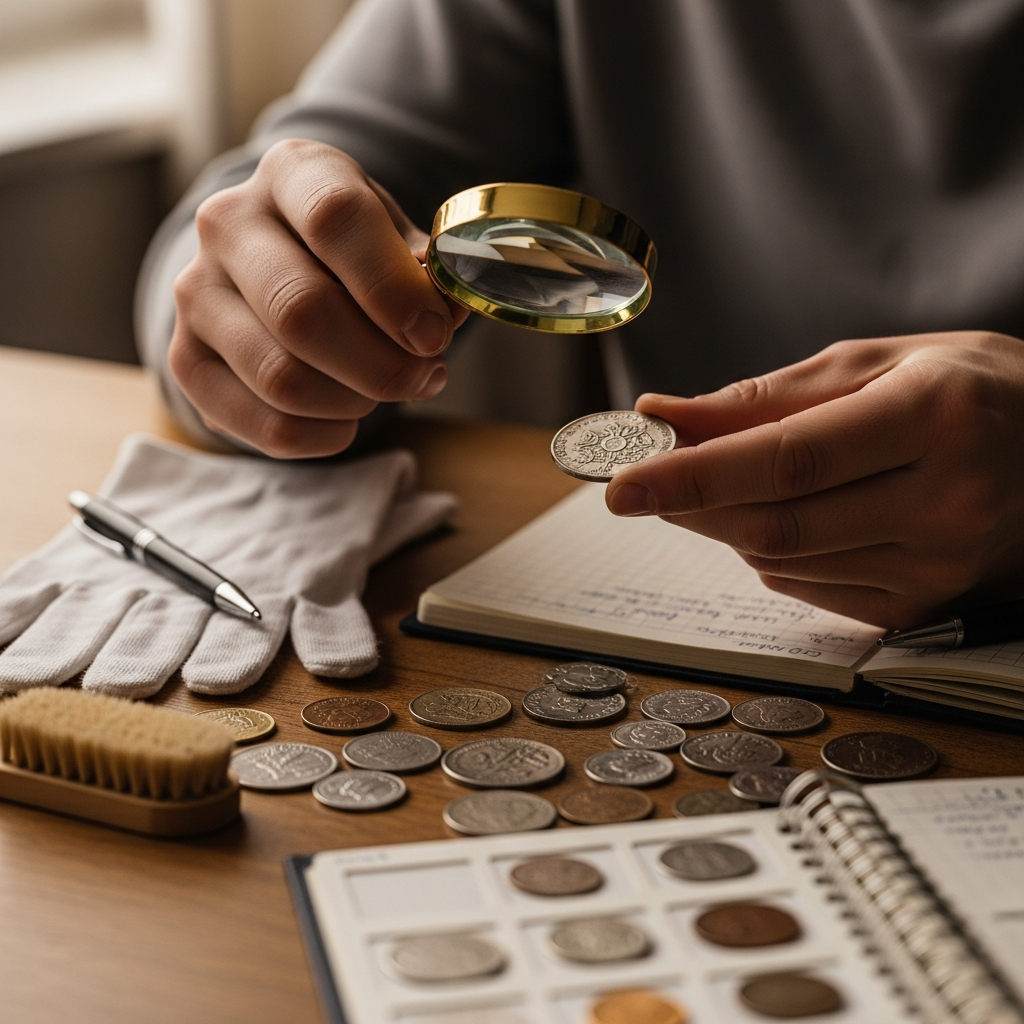
Regardless of storage method, handle coins by their edges only. Fingerprints contain oils and acids that etch surfaces over time. Cotton gloves add protection when examining valuable pieces.
Store collections in stable environments away from humidity, heat, and air contaminants. A bedroom closet typically provides better conditions than a basement or attic.
Building Knowledge
Successful collecting requires continuous education. Investment in knowledge pays dividends throughout your collecting career.
Essential resources include:
The Red Book: A Guide Book of United States Coins by R.S. Yeoman provides comprehensive coverage of US coinage with retail values. Updated annually, it’s the hobby’s standard reference.
Specialized references: Series-specific books offer detailed die variety information, population data, and collecting strategies. Examples include Q. David Bowers’ works on Morgan dollars and David Lange’s guide to Lincoln cents.
Online resources: PCGS CoinFacts and NGC Coin Explorer provide free access to historical information, population reports, and price guides. Collector forums like CoinTalk offer community knowledge.
Price guides: Multiple sources help establish fair market values. Compare PCGS, NGC, and Grey Sheet prices when evaluating potential purchases. Remember that guides show average retail, not what dealers pay.
Grading guides: Books and online tutorials help develop grading skills. PCGS Photograde and ANA grading standards provide visual references.
The Business Side
While many collectors avoid thinking about money, understanding market dynamics helps make informed decisions.
Key concepts include:
Retail vs. wholesale: Dealers typically pay 60-80% of retail for common material and higher percentages for rare coins. Understanding this spread prevents unrealistic expectations when selling.
Liquidity: Some coins sell quickly while others sit for years. Generic silver and popular series like Morgan dollars enjoy strong liquidity. Obscure foreign coins or specialized varieties may require patient selling.
Condition rarity: Common dates in high grades often exceed key dates in low grades. A MS-65 1881-S Morgan (mintage: 12.7 million) costs far less than a MS-65 1893-S (mintage: 100,000), but a common date in MS-68 becomes genuinely rare.
Population reports: PCGS and NGC publish how many coins they’ve graded at each level. These reports help identify condition rarities and potential buying opportunities.
Common Beginner Mistakes
Learning from others’ errors accelerates your development as a collector.
Buying too fast: Enthusiasm leads to hasty purchases. Take time to research before buying. The coin will usually still be available tomorrow.
Ignoring quality: A VF coin at half the price of an EF example isn’t a bargain if you’ll eventually want the better coin anyway. Buying quality the first time avoids upgrading costs later.
Cleaning coins: Never clean coins. Ever. Cleaning destroys original surfaces and dramatically reduces value. Even dirty coins with original surfaces trade at premiums to cleaned examples.
Storing improperly: PVC holders, rubber bands, and improper environments damage coins. Invest in appropriate storage from the start.
Overpaying for certification: Not every coin benefits from certification. A common Morgan dollar in VF condition doesn’t need a $30+ grading fee. Reserve certification for coins where authentication matters or grade determination affects value significantly.
Ignoring fundamentals: Key dates and mint marks affect value dramatically. Know which dates matter in series you collect.
Growing With the Hobby
Coin collecting offers lifetime engagement. As your knowledge grows, you’ll naturally develop more sophisticated approaches.
Advanced collectors often specialize deeply, becoming recognized experts in narrow fields. Others broaden to world coins, tokens, medals, or paper currency. Some focus on top-tier examples while others embrace die varieties invisible to casual observers.
The hobby’s social dimension rewards participation. Local coin clubs offer friendship and knowledge sharing. National organizations like the ANA provide educational programs, conventions, and publications. Online communities connect collectors globally.
Consider exhibiting your collection at shows or writing about your specialty. Contributing to numismatic knowledge enriches both you and the hobby.
Getting Started Today
The best time to start collecting is now. Begin with these practical steps:
First, acquire a current Red Book and spend time reading. Understanding US coin history and designs provides essential foundation.
Second, visit a local coin shop or show. Handle coins, ask questions, and observe experienced collectors. Most dealers welcome newcomers and happily share knowledge.
Third, join the ANA or a local club. Membership provides educational resources, publications, and connections to fellow collectors.
Fourth, start small. Buy a few inexpensive coins in a series that interests you. Learn about grading and pricing through direct experience with modest stakes.
Fifth, develop a focus. Decide what you want to collect and why. A clear direction helps allocate limited resources effectively.
Coin collecting rewards patience, knowledge, and discipline. Welcome to a hobby that will provide decades of enjoyment, education, and satisfaction.


Stay in the loop
Get the latest numisma news updates delivered to your inbox.