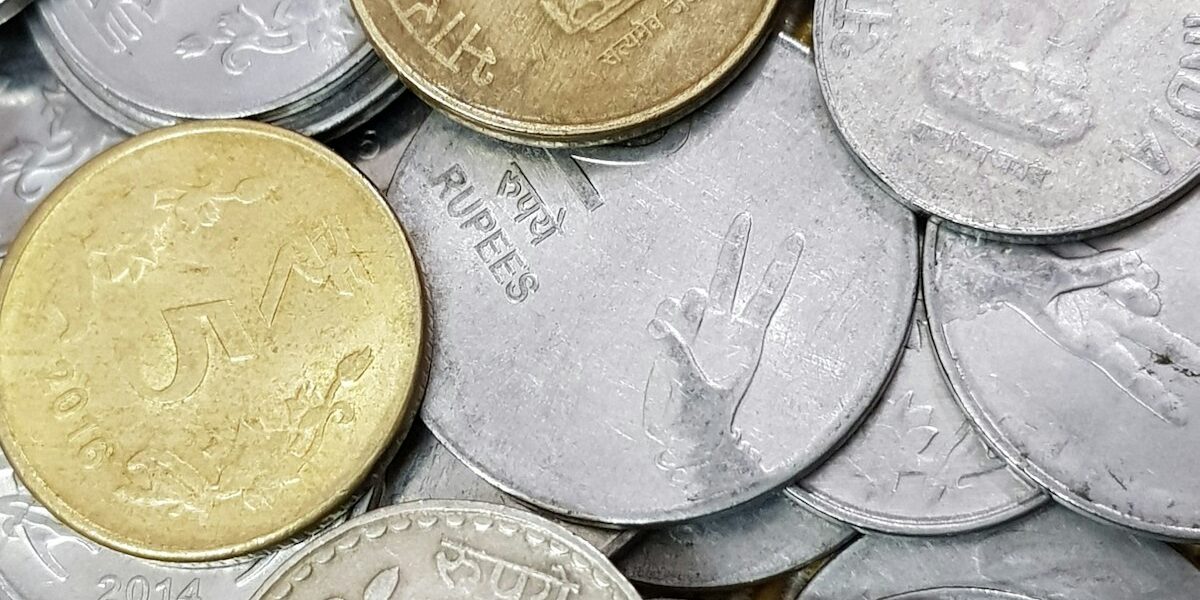
The technology behind coin authentication and grading continues advancing rapidly. CAC, NGC, and PCGS are all implementing new tools and techniques that affect how coins are evaluated and how collectors can verify authenticity.
This article includes affiliate links. We may earn a commission at no extra cost to you.
Artificial Intelligence in Grading
All major services are exploring AI applications:
PCGS AI Initiatives
PCGS has developed AI systems that assist human graders by pre-screening coins and flagging potential issues. The technology analyzes high-resolution images to identify cleaning, tooling, and other problems that might escape initial visual inspection. Human graders make final determinations, but AI helps ensure nothing is missed.
NGC Technology Investment
NGC has invested heavily in imaging technology that captures coins in unprecedented detail. Their systems can detect surface characteristics invisible to the naked eye, helping identify alterations and verify die characteristics. This technology supports both grading accuracy and later verification.
CAC’s Approach
CAC, focused on evaluating already-graded coins, uses technology to assist their examiners in assessing eye appeal and originality. Their process remains heavily dependent on expert human judgment, but technology helps document decisions and maintain consistency.
Imaging Advances
High-quality imaging has become central to authentication:
TrueView and PhotoVision
NGC’s TrueView and PCGS’s imaging services provide permanent photographic records of graded coins. These images become part of the certification record, allowing collectors to verify that a coin matches its certification years after grading.
Spectral Analysis
Advanced imaging beyond visible light can reveal information about metal composition and surface treatments. X-ray fluorescence (XRF) analysis can confirm alloy composition without damaging coins, helping detect base-metal counterfeits plated to appear genuine.
3D Scanning
Experimental 3D scanning technology captures complete coin geometry, potentially enabling “fingerprinting” of individual coins through their unique surface topography. This could eventually make each certified coin uniquely identifiable.
Holder Security Improvements
Authentication extends beyond the coin itself to the holder:
PCGS Security Features
Current PCGS holders incorporate holographic elements, QR codes, and specific plastic formulations that resist counterfeiting. Recent updates have enhanced these features following discoveries of counterfeit holders in the market.
NGC EdgeView and Beyond
NGC’s EdgeView holder design allows examination of coin edges, adding another authentication point. Their holders also include multiple security features visible under different lighting conditions and UV examination.
Digital Verification
Both services maintain online databases allowing instant verification of certification numbers. Mobile apps enable real-time checking at shows or when purchasing. These digital records are becoming as important as physical holder security.
CAC Evolution
CAC has expanded beyond its original green sticker program:
Gold Stickers
The gold CAC sticker, indicating a coin is undergraded, remains relatively rare but commands significant premiums. Market data shows gold sticker coins can bring 50-100% more than standard examples of the assigned grade.
CAC Grading
CAC now offers its own grading service, encapsulating coins in CAC holders. This represents a significant expansion from their traditional role of evaluating already-slabbed coins. The service emphasizes eye appeal and originality in their grading philosophy.
Market Impact
CAC approval continues commanding premiums in the market. Auction catalogs routinely note CAC status, and price guides increasingly incorporate CAC premiums into their valuations.
Counterfeit Detection Technology
Sophisticated counterfeits require sophisticated detection:
Die Study Integration
Grading services incorporate die study research to verify genuine die characteristics. Known die markers, clash marks, and progressive die states help authenticate coins by confirming they were struck from genuine dies.
Metal Analysis
Non-destructive composition testing can identify coins with incorrect alloys. Genuine U.S. silver coins, for example, contain specific trace elements that counterfeiters struggle to replicate exactly.
Surface Examination
Advanced microscopy reveals surface characteristics that distinguish struck coins from cast counterfeits. Flow lines, die polish marks, and striking characteristics provide evidence of genuine mint production.
What This Means for Collectors
Advancing technology offers both benefits and considerations:
Benefits
- More accurate grading through AI assistance
- Better counterfeit detection protecting collector investments
- Improved verification through imaging and digital records
- Enhanced holder security reducing fraud
Considerations
- Technology costs may affect grading fees
- Some collectors prefer human-only evaluation
- Older holders lack current security features
- Technology can enable new forms of fraud as it prevents old ones
Staying Current
Collectors should:
- Verify certification numbers online before purchasing certified coins. A quality jeweler’s loupe also helps verify holder security features firsthand
- Familiarize themselves with current holder security features
- Consider updating older holders to current generations for valuable coins
- Stay informed about authentication technology developments
The authentication technology race between services and counterfeiters continues. Collectors benefit from these advances while maintaining awareness of both capabilities and limitations of current technology.



Stay in the loop
Get the latest numisma news updates delivered to your inbox.