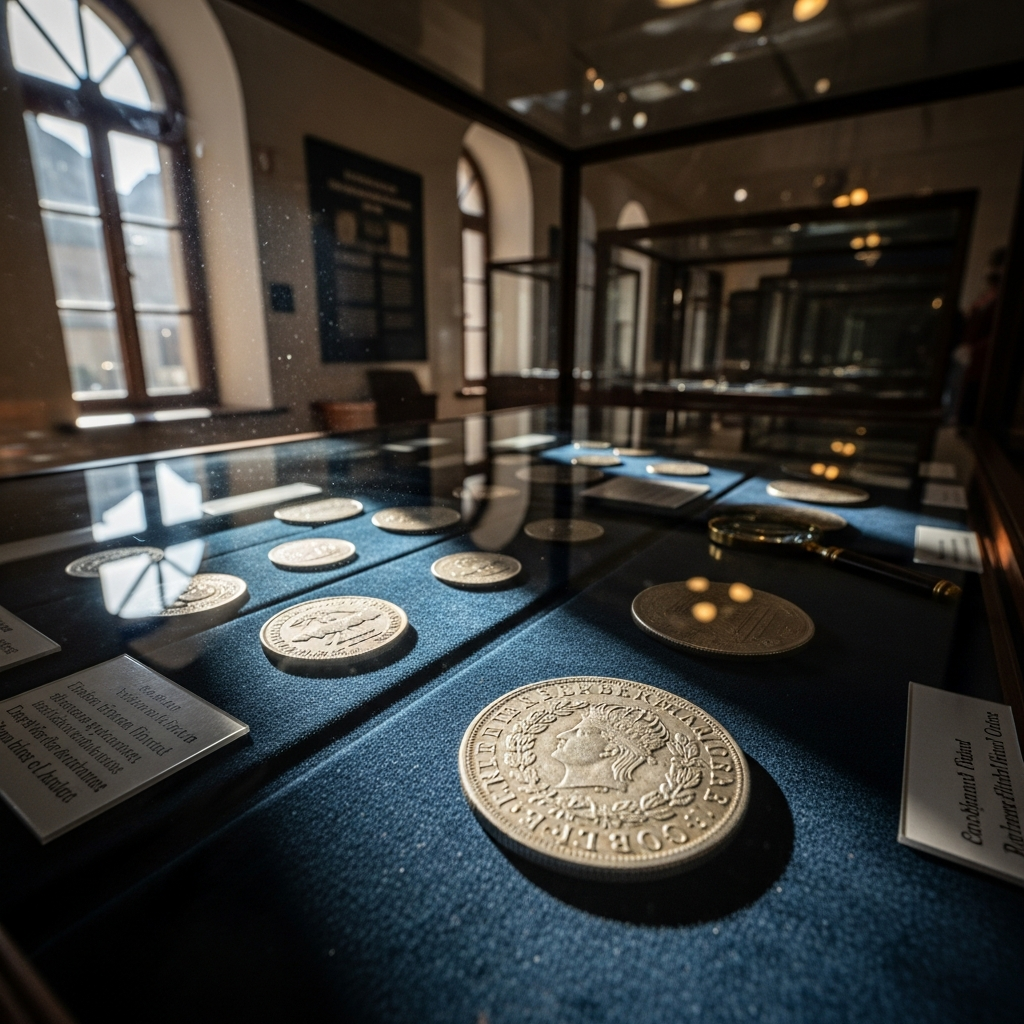
Museums across the country house extraordinary numismatic collections, many with special exhibits planned for 2025. These institutions preserve numismatic history while educating visitors about money’s role in American life.
Smithsonian National Numismatic Collection
The Smithsonian’s National Museum of American History houses one of the world’s largest numismatic collections, with over 1.6 million objects spanning coins, currency, medals, and related items.
Permanent Exhibition
The “Value of Money” exhibition explores how money shapes American life. Highlights include the 1804 silver dollar, 1913 Liberty Head nickel, and Brasher doubloon – legendary rarities rarely seen outside specialized collections.
2025 Programs
The museum plans rotating displays featuring different collection areas throughout the year. Check the Smithsonian website for current programming and special events.
Visiting Information
Located on the National Mall in Washington, D.C., admission is free. The museum draws millions of visitors annually, making weekday visits preferable for serious numismatic study.
ANA Money Museum
The Edward C. Rochette Money Museum in Colorado Springs represents the ANA’s showpiece, with extensive displays complemented by the Dwight N. Manley Numismatic Library.
Collection Highlights
The museum displays rare U.S. coins including 1849 double eagles, pattern coins, and territorial gold. World and ancient coin galleries provide global context, while currency displays trace paper money’s American history.
Interactive Elements
The museum emphasizes hands-on learning with touchable specimens and interactive displays explaining minting processes and collecting approaches.
2025 Special Exhibits
The ANA rotates special exhibitions throughout the year. Contact the museum for current programming and upcoming special exhibits.
Visiting Information
Located near downtown Colorado Springs, the museum offers free admission to ANA members. The attached library provides research access to one of the hobby’s finest numismatic book collections.
Federal Reserve Bank Museums
Several Federal Reserve Banks maintain money museums:
Federal Reserve Bank of San Francisco
The San Francisco Fed’s museum explores money’s role in the economy with historical displays including currency and coin samples spanning American history.
Federal Reserve Bank of Richmond
Richmond’s Money Museum features interactive exhibits exploring Federal Reserve functions alongside historical currency displays.
Federal Reserve Bank of Cleveland
The Learning Center and Money Museum in Cleveland offers educational programming and exhibits examining money’s economic role.
State and Regional Museums
Significant numismatic displays appear in various regional institutions:
Wells Fargo History Museums
Wells Fargo operates history museums in several cities featuring Gold Rush-era coins, currency, and related artifacts. San Francisco, Los Angeles, and Phoenix locations offer particularly strong numismatic content.
Old U.S. Mint Museums
Several former mint buildings now serve as museums. The Old San Francisco Mint (currently closed for renovation) and Old New Orleans Mint showcase their facilities’ histories and numismatic production.
State Historical Societies
Many state historical societies maintain numismatic collections reflecting local history. State-specific currency, merchant tokens, and territorial issues often feature prominently.
Private Museum Collections
Some private museums offer significant numismatic displays:
National Cowboy & Western Heritage Museum
Oklahoma City’s western museum includes Gold Rush-era coins and currency in its broader historical displays.
National World War II Museum
New Orleans’ WWII museum displays military currency, occupation money, and related numismatic items within its wartime context.
Planning Museum Visits
Maximize numismatic museum experiences by:
Research Before Visiting
Review museum websites for current exhibitions and any special numismatic programming. Some museums offer guided tours focusing on their coin collections – inquire about availability.
Time Your Visit
Weekday visits typically offer fewer crowds and better opportunities for detailed study. Some museums offer after-hours or special access for numismatic groups.
Engage Staff
Museum staff often possess knowledge beyond what exhibits display. Ask questions and express specific interests – staff may be able to provide additional information or suggest related resources.
Combine with Events
Major coin shows sometimes coordinate with nearby museums for special programming. ANA conventions often include museum-related events when held near significant collections.
Virtual Options
For those unable to visit in person:
- Smithsonian’s online collections database provides images and information for millions of objects
- Some museums offer virtual tours or online exhibitions
- The Newman Numismatic Portal provides digital access to historical numismatic literature
- Many museums share collection highlights through social media
Museum collections represent numismatic history preserved for public benefit. Whether visiting the Smithsonian’s legendary rarities or a regional museum’s local currency, these institutions enrich understanding of money’s historical role and the hobby’s cultural significance.



Stay in the loop
Get the latest numisma news updates delivered to your inbox.