
Attracting new members to coin clubs has gotten complicated with all the competing entertainment options flying around. As someone who has served on club leadership boards for over a decade, I learned everything there is to know about what actually brings people through the door – and what makes them stay. Today, I will share it all with you.
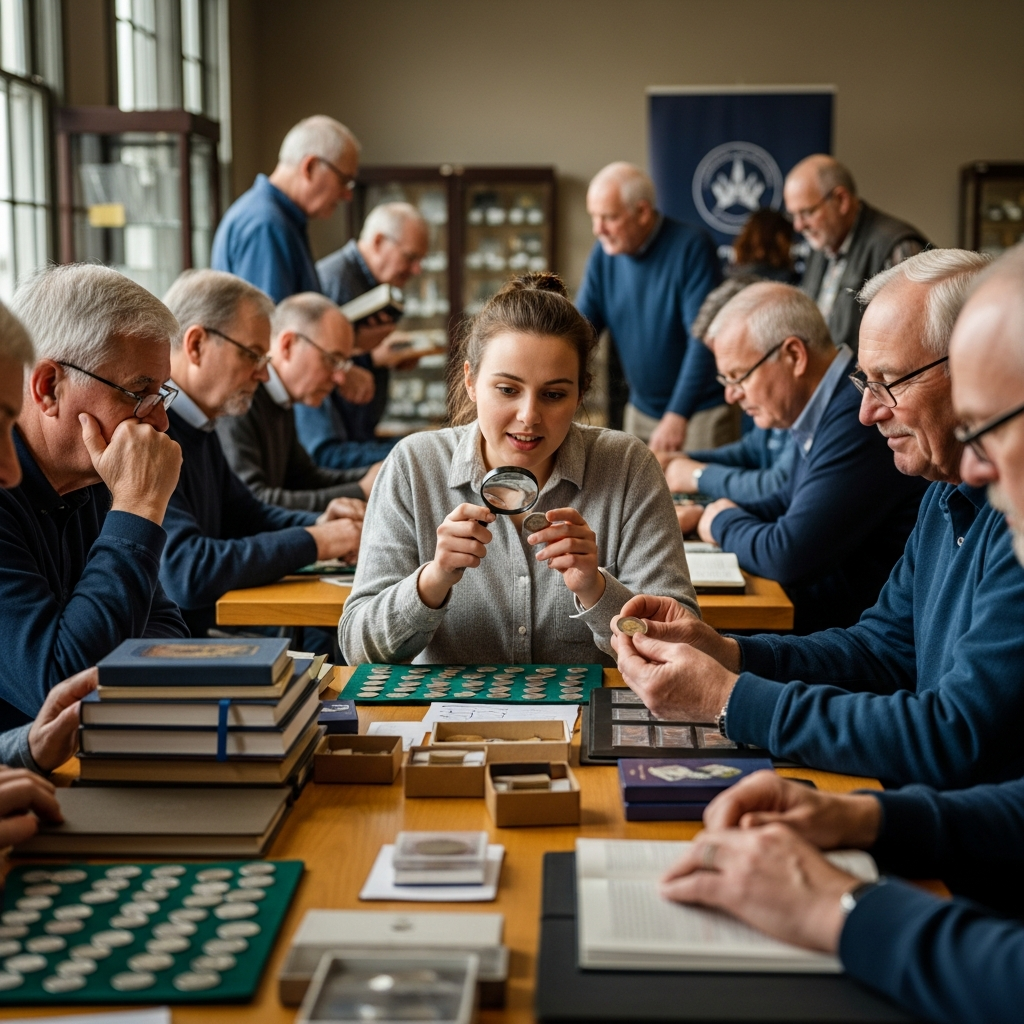
Let’s Be Honest About the Problem
Most coin club members are older. The founders of many clubs are aging without enough younger replacements. Meanwhile, potential collectors have Netflix, video games, social media, and a thousand other things competing for their attention.
Our Wednesday evening meetings conflict with family obligations, work schedules, and the simple exhaustion of modern life. I’ve watched good people stop coming because they couldn’t make it work.
And honestly? Outsiders think coin collecting is an “old person’s hobby.” Overcoming that perception requires effort we don’t always make.
What’s Actually Working for Recruitment
Get Out of the Meeting Room
The clubs growing their membership don’t wait for people to find them. They go where potential collectors already are:
- Library presentations that introduce the basics to curious locals
- School programs connecting coins to history and math curriculum
- Scout badge assistance – kids earning collecting merit badges become adult collectors
- County fair exhibits that let the public see what we actually do
Probably should have led with this section, honestly. Sitting in the same room every month hoping new people magically appear doesn’t work.
Be Visible at Shows
Clubs hosting coin shows gain visibility. Educational tables with free resources convert curious visitors into potential members. I’ve recruited more members from show conversations than from years of passive existence.
Exist Online
If someone Googles your club and finds nothing, you’ve already lost them. Modern clubs need:
- A basic website explaining what you offer and when you meet
- Social media sharing club activities (Facebook is fine, you don’t need TikTok)
- Online meeting options for those who can’t attend in person
Welcome People Like You Mean It
First impressions matter enormously. When a visitor walks in, do existing members greet them, explain what’s happening, and help them feel included? Or do they huddle in their usual groups while the newcomer stands awkwardly?
I’ve visited clubs where I was ignored for 45 minutes despite being clearly new. I never went back. Don’t be that club.
Keeping the People You Recruit
Quality Programming
Strong presentations keep members returning. I attend clubs with good educational content even when travel is inconvenient. I skip clubs where meetings are just business reports and trading.
That’s what makes engaging programming endearing to us regular attendees – we’re actually learning something.
Give New Members Roles
People invest in organizations where they contribute. Ask new members to help with setup, present on their collecting interests, or serve on a committee. Responsibility creates ownership.
Trading Opportunities
Practical value keeps members engaged. Active trading tables or member auctions give people reasons to attend beyond programs.
Build Actual Friendships
Club dinners, show trips, and social gatherings create relationships that survive boring meetings. I’ve stayed in clubs longer than I should have because I liked the people.
Adapting How We Meet
Hybrid Options
COVID taught us virtual meetings work. Keep that option. Members who can’t attend physically can still participate. Some of our most engaged discussions happen when members dial in from other states.
Flexible Scheduling
Not everyone can make Wednesday at 7pm. Some clubs experiment with Saturday meetings, lunchtime gatherings, or rotating schedules. Find what works for your actual membership.
Location Variety
Occasionally meeting in different locations makes attendance easier for members on the opposite side of town.
Specialized Approaches
Some clubs thrive through focus:
- Ancient coin clubs attract collectors who feel out of place at general meetings
- Token and medal clubs serve specialized interests
- Informal “coin nights” at restaurants attract people uncomfortable with formal meetings
The right format depends on your community. What works in a big city differs from what works in a small town.
Thinking Long-Term
Youth Programs
Young Numismatists today become adult members tomorrow. Clubs investing in youth programs are building their future, even if the payoff takes years.
Leadership Development
If the same five people have run your club for twenty years, you have a succession problem. Actively develop future officers before current leaders can no longer serve.
Documentation
Record how things work. When current leaders are gone, will anyone know how to run the show auction, maintain the website, or file the tax paperwork?
The Bigger Picture
Club health reflects hobby health. When clubs thrive, it signals a vibrant collecting community. When clubs struggle, it’s a warning sign for the entire field.
By sharing strategies that work and supporting each other’s efforts, clubs collectively strengthen numismatics. I learn from other clubs, share what works for us, and hope we all figure this out together.
The hobby has survived previous challenges. Clubs that embrace change while preserving the community that makes in-person gathering valuable will outlast those that don’t. I’m betting on adaptation over nostalgia.



Stay in the loop
Get the latest numisma news updates delivered to your inbox.