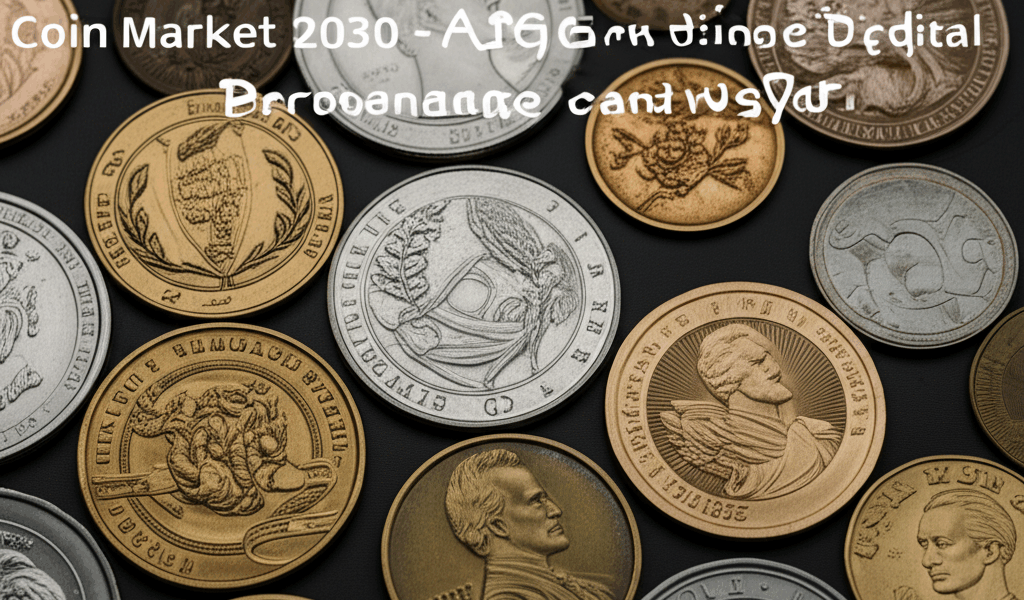
Coin collecting in 2030 has gotten complicated with all the tech hype flying around. As someone who has been stacking silver and hunting die varieties for fifteen years, I learned everything there is to know about where this hobby is actually headed. Today, I will share it all with you.
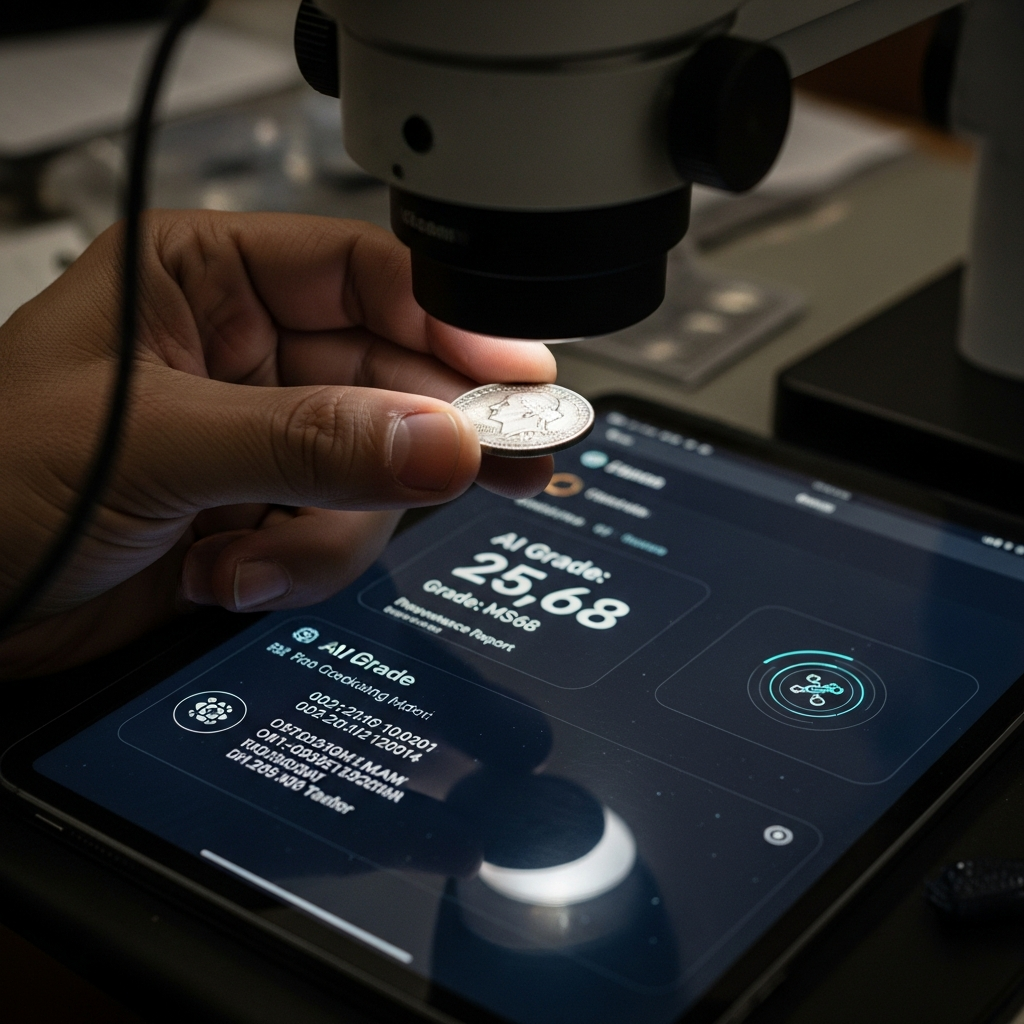
AI Grading Is Coming Whether We Like It or Not
I’ve had coins graded by PCGS and NGC for years. The idea that a machine might do this job both excites and terrifies me.
Right now, the major grading companies use AI as a first-pass screening tool. It flags coins that might be cleaned, tooled, or otherwise problematic before a human grader takes a closer look. My 1921 Morgan that came back “details cleaned” probably got caught by one of these systems.
By 2030, we’ll likely see AI handling much more:
- Preliminary grades before human review (your coin might get an AI-suggested grade of MS-64 before a grader confirms or adjusts)
- Counterfeit detection that catches fakes we’d miss
- Die variety attribution through pattern matching – imagine submitting a coin and instantly knowing if it’s a VAM-4
Probably should have led with this section, honestly. The real question isn’t whether AI grading will happen – it’s whether collectors will trust machine grades as much as human ones. I’m skeptical, but I also remember when people said slabbed coins would never catch on.
Blockchain Provenance – Actually Useful or Just Buzzwords?
Every few months someone tells me blockchain will revolutionize coin collecting. After hearing this for years, I finally understand what they actually mean.
The useful part: imagine buying a coin and instantly verifying every owner since it left the mint. You’d know for certain that 1893-S Morgan was in the Eliasberg collection because the record exists on an immutable ledger.
The theft angle matters too. Permanent ownership records make it much harder to sell stolen coins. That collection heist in California a few years back? Those coins could become essentially unsellable if digital provenance catches on.
But there’s a catch. Complete transaction transparency conflicts with something collectors value – privacy. Not everyone wants their coin purchases broadcast to the world. I certainly don’t need people knowing what I paid for that key date Indian.
Virtual Collections and AR – Where Things Get Weird
This is where I start feeling old. But hear me out.
VR coin collections actually make some sense. High-resolution 3D scanning could let you examine coins you’ll never own – the 1933 Double Eagle, unique pattern coins, museum pieces. For learning and appreciation, there’s real value here.
AR applications overlay information on physical coins. Point your phone at a coin, get instant attribution, price data, and history. I’ve seen early versions of this and honestly? It’s impressive.
NFTs tied to physical coins exist now. I’m still wrapping my head around why someone would want a digital token alongside their actual Morgan dollar, but younger collectors seem interested. That’s what makes this hobby endearing to us older numismatists – there’s always someone approaching coins from an angle we never considered.
The Market Is Consolidating Fast
When I started collecting, there were dozens of serious dealers in my region. Now most of them are gone, absorbed into larger operations or retired without successors.
By 2030, I expect even fewer companies will dominate dealing and auctions. Heritage and Stack’s Bowers keep growing. Whether that’s good or bad depends on who you ask.
The flip side: peer-to-peer platforms are expanding. eBay was just the beginning. Collectors increasingly connect directly, cutting out middlemen for certain transactions. I’ve bought more coins from other collectors in the last two years than from dealers.
Who Will Collect Coins in 2030?
This keeps me up at night, honestly.
Baby Boomers built most of the serious collections that exist today. They’re exiting the hobby through sales, estates, and passing coins to kids who often don’t care. I’ve attended estate auctions where incredible collections sold for a fraction of what they should have, because buyers weren’t there.
Will younger collectors replace them? Some will. Technology might create new entry points – someone who discovers coins through a virtual collection might eventually want the real thing.
But preferences will change. The series I collect might not interest future collectors at all. Values will shift accordingly. My guess is quality and rarity will always matter, but which coins are “hot” will look different in a decade.
Authentication Gets Serious
Counterfeiters keep getting better. Chinese fakes now fool experienced collectors sometimes. The authentication arms race won’t end.
Surface fingerprinting technology maps unique characteristics of each coin, making substitution and counterfeiting harder. Real-time mobile verification against databases of known genuine examples could let you authenticate at coin shows instantly.
I recently passed on a coin that triggered my instincts, even though the seller had credentials. The future where I can verify against a known genuine example in seconds? That’s worth waiting for.
Regulations and Taxes – The Boring But Important Stuff
Government interest in tracking valuable assets keeps growing. Reporting requirements for significant coin sales may expand. Cultural property laws affecting ancient and foreign coins continue tightening.
None of this is fun to think about, but ignoring it won’t help. Keep records. Document provenance. Pay your taxes.
What I’m Doing to Prepare
After fifteen years of collecting, here’s how I’m approaching the next decade:
- Staying informed about tech developments without chasing every new thing
- Documenting every coin in my collection properly – photos, receipts, provenance notes
- Focusing on quality and rarity, which remain valuable regardless of technological change
- Talking to younger collectors, even when they approach the hobby differently than I do
- Remembering that coins themselves – their history, artistry, and the feel of silver in your hand – matter more than any technology surrounding them
The hobby will look different in 2030. Whether that’s good or bad depends entirely on how we adapt. I plan to still be here, stacking coins and arguing about grades, just like I do now.

Stay in the loop
Get the latest numisma news updates delivered to your inbox.