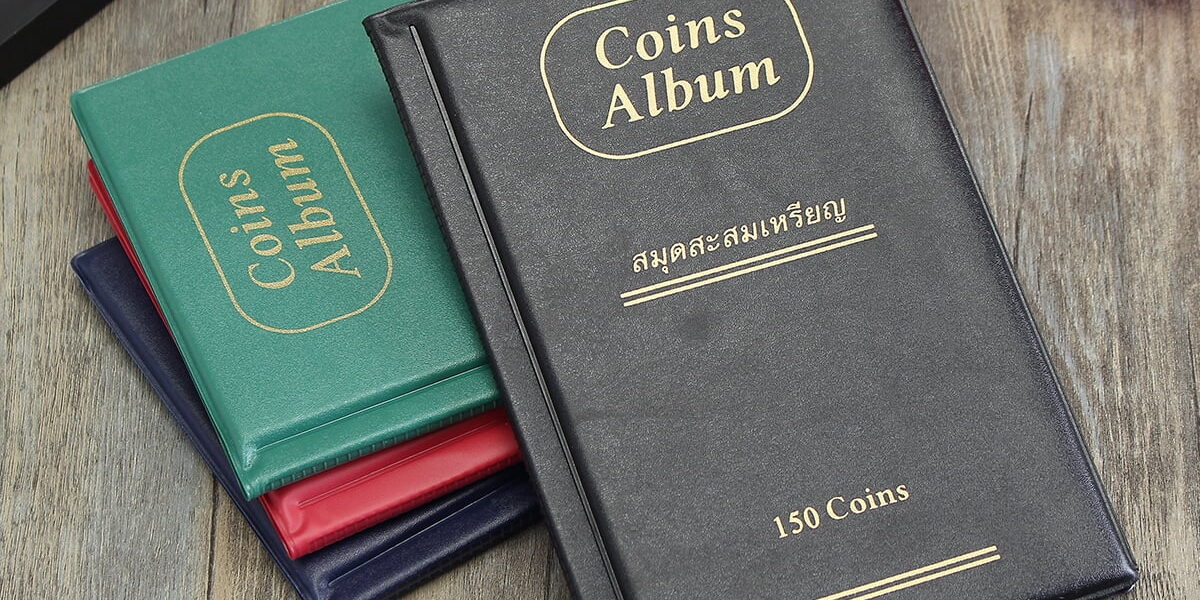
Coin collecting has gotten complicated with all the cryptocurrency hype and digital payment noise flying around. As someone who has spent the better part of two decades hunting for rare coins at estate sales, flea markets, and dusty antique shops, I learned everything there is to know about whether this hobby still has a pulse. Today, I will share it all with you.
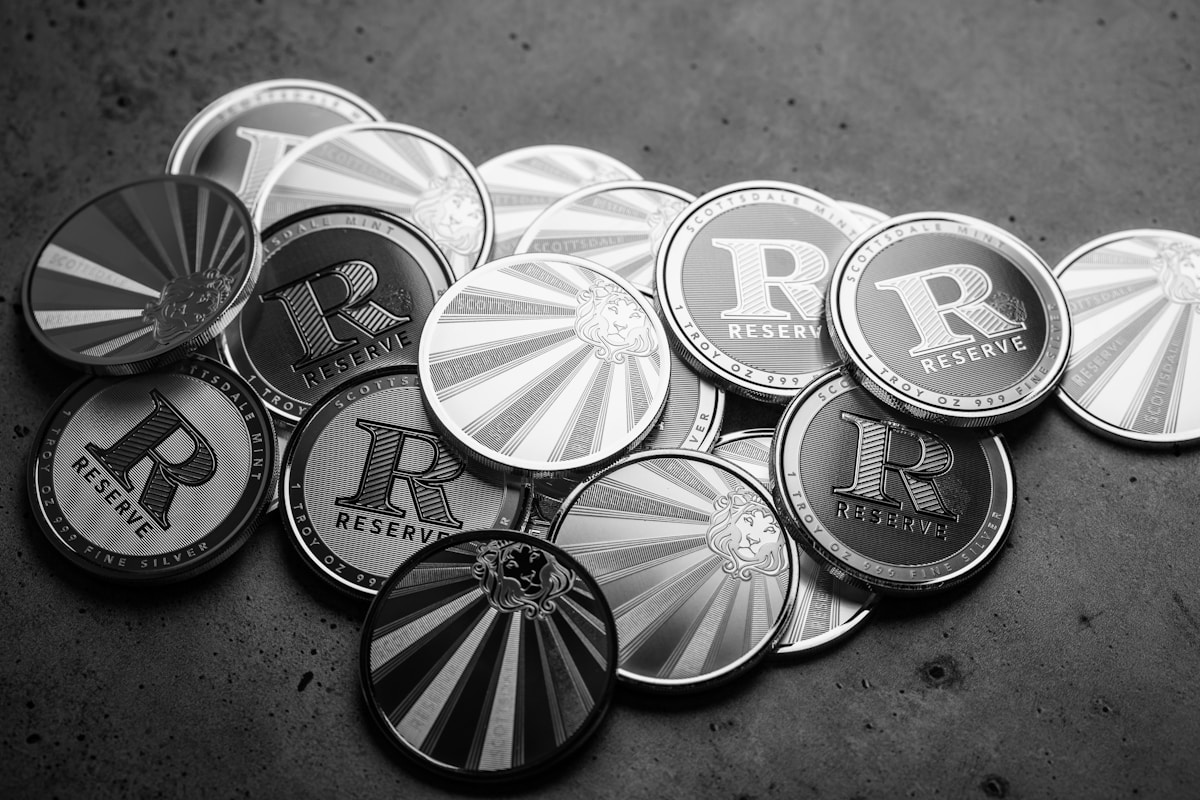
The short answer? Absolutely yes. Coin collecting, or numismatics if you want to sound fancy at dinner parties, is not just surviving in the digital age—it’s actually thriving. I’ve watched the community grow and evolve over the years, and what I’ve seen genuinely surprises a lot of newcomers who assume this is some dying pastime reserved for their grandparents.
Probably should have led with this section, honestly. The history of coin collecting stretches back to ancient kings and nobles who prized these small metal discs as symbols of power and wealth. What started as an elite pursuit has transformed into something wonderfully democratic. Today, you’ll find collectors from every background imaginable—history teachers, truck drivers, teenagers, and retirees all united by the same fascination.
That’s what makes coin collecting endearing to us numismatists—every collector brings their own unique angle to the hobby. Some folks are drawn to the historical narratives embedded in each piece. Others appreciate the artistic craftsmanship, the way a skilled engraver can capture so much detail on such a small canvas. And yes, plenty of collectors view their coins as investments, which is perfectly valid too.
The digital revolution has actually breathed new life into coin collecting rather than killing it off. Online forums and marketplaces have connected collectors across continents in ways that were impossible just twenty years ago. I remember when finding a specific coin meant driving to conventions and hoping for luck. Now I can search global inventories from my couch, connect with dealers in Germany or Japan, and have authentic rare coins shipped to my door within a week.
This accessibility has been huge for attracting younger collectors. The community aspect remains stronger than ever, with clubs operating both online and in person. These groups provide invaluable education for newcomers, host seminars on authentication and grading, and organize events where you can actually handle historically significant pieces.
Here’s something digital currencies simply cannot replicate: the tangible connection to history that physical coins provide. When I hold a Morgan silver dollar from the 1880s, I’m touching something that might have been in a cowboy’s pocket or passed across a saloon bar. Each coin carries a story about the era it was minted, the economy it supported, and the people who used it. That emotional and historical weight makes collecting uniquely rewarding.
The market reflects this enduring appeal. Rare coins regularly fetch impressive sums at auction, drawing media attention and bringing fresh faces to the hobby. The thrill of discovering an undervalued piece at an estate sale or completing a collection you’ve worked on for years—these experiences keep collectors coming back decade after decade.
So if you’ve been wondering whether coin collecting is still relevant, wonder no more. The hobby has adapted brilliantly to modern challenges while preserving the core appeal that captivated collectors centuries ago. Whether you’re in it for the history, the hunt, or the investment potential, there’s never been a better time to start. As long as coins exist, people will collect them—and based on what I’ve witnessed, this community isn’t going anywhere.




Leave a Reply