Valuable Half Dollars Worth Big Money
Half dollar values have gotten complicated with all the hype and exaggerated claims flying around on social media. As someone who’s been collecting half dollars across every series from Flowing Hair to Kennedy and once found a 1942-D Walking Liberty with the overdate error at an estate sale, I learned everything there is to know about which ones are actually worth real money. Today, I will share it all with you.
Half dollars are one of my favorite denominations to collect. They’re substantial coins — nice heft in the hand, great designs, and a surprising number of hidden rarities that most people walk right past.
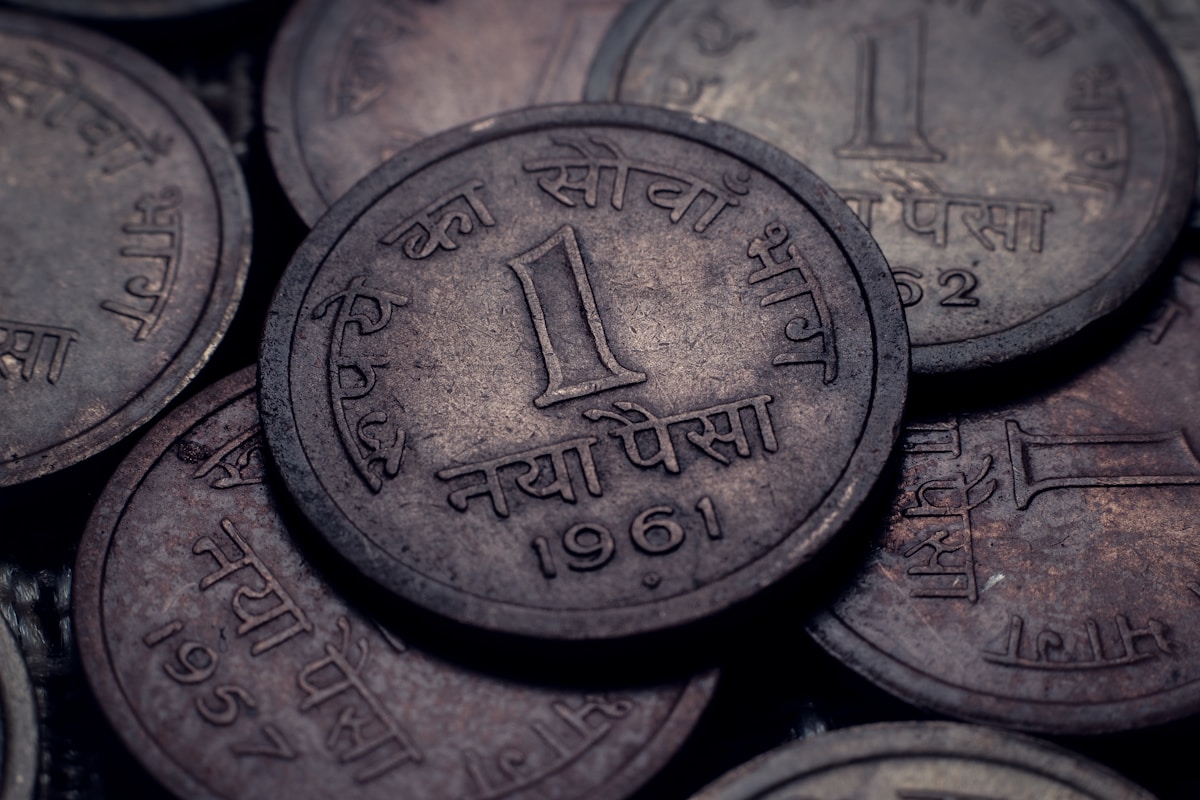
What Makes a Half Dollar Valuable
Probably should have led with this section, honestly. Four factors determine whether your half dollar is worth fifty cents or five figures: rarity (low mintage or few survivors), condition (graded on the Sheldon Scale by PCGS or NGC), collector demand (which shifts over time), and unique attributes like mint errors or unusual varieties. When multiple factors align — a rare date in high grade with an interesting error — that’s when you see the big auction numbers.
The Early Half Dollars
The Flowing Hair half dollar (1794-1795) is where it all started. These are genuinely scarce coins, and even well-worn examples sell for thousands. The Draped Bust series followed (1796-1807), introducing design changes that collectors track closely. The Capped Bust half dollar (1807-1839) brought steam pressing into the picture, producing better-struck coins. And the Seated Liberty series (1839-1891) ran for over fifty years with enough date and mint mark varieties to fill albums.
Coins from the Carson City Mint are especially prized across these series. That “CC” mint mark carries a premium all by itself because of the romance and history associated with that facility.
Half Dollars That’ll Stop You in Your Tracks
Here are specific coins I’d jump at if I found them:
- 1804 Draped Bust Half Dollar: One of the rarest American coins in existence. Only a few are known, and they can reach into the millions when they surface at auction.
- 1838-O Capped Bust Half Dollar: Minted in New Orleans with fewer than 20 confirmed survivors. This is a coin most collectors will never hold, but it’s fun to dream about.
- 1917 Doubled Die Obverse Walking Liberty: The doubling on the date and lettering is noticeable and dramatic. These attract intense bidding.
- 1942-D Walking Liberty with D over Horizontal D: A mint mark error where the D appears to have been first punched horizontally, then corrected. This one has personal significance for me since I found one at an estate sale.
- 1955 Franklin “Bugs Bunny” Variety: A die clash left what looks like buck teeth on Franklin’s profile. It sounds silly, but collectors love it and will pay well for nice examples.
That’s what makes valuable half dollars endearing to us numismatists — the stories behind each coin are as compelling as the coins themselves.
Modern Half Dollars That Surprise People
The Kennedy half dollar series, starting in 1964, isn’t just pocket change. The 1964 90% silver issue is a no-brainer for silver stackers. But the really interesting Kennedy coins are the oddities — the 1964 SMS (Special Mint Set) with its unique finish and low production numbers, or certain proof issues with cameo or deep cameo designations that command strong premiums.
Commemorative half dollars, minted since 1892, are another area worth exploring. The 1925 Stone Mountain Memorial and the 1936 Gettysburg halves are classics in the commemorative space. Limited mintages and historical significance drive their values.
Getting into Half Dollar Collecting
If you’re just starting, my advice is this: study before you spend. Read a good reference book — the Red Book is the standard starting point. Join a collector group, either local or online. Get familiar with the grading scale from Poor (P-1) to Mint State (MS-70). And be patient. Building a quality half dollar collection takes time, but rushing leads to overpaying or buying problem coins.
Some tips that have served me well:
- Research: Understand key dates and potential pitfalls before you buy anything expensive.
- Condition Assessment: Learn to spot cleaning, tooling, and other problems that reduce value.
- Networking: Join coin clubs and forums. The connections you make will lead to better coins at better prices.
- Patience: The right coin at the right price will come. Don’t force it.
- Stay Informed: Follow auction results and market trends so you know what’s fair.
Protecting Your Investment
Store coins in quality holders, away from sunlight and humidity. Silver half dollars are especially sensitive to moisture — it causes tarnish and can lead to corrosion if the environment is bad enough. Handle with clean hands or gloves, always by the edges. Inspect your collection periodically for any signs of environmental damage.
A good half dollar collection is both a history lesson and a tangible asset. Understanding what makes these coins valuable, how to find them, and how to care for them ensures you’ll enjoy the hobby for years to come — and maybe make some money in the process.
Recommended Collecting Supplies
Coin Collection Book Holder Album – $9.99
312 pockets for coins of all sizes.
20x Magnifier Jewelry Loupe – $13.99
Essential tool for examining coins and stamps.
As an Amazon Associate, we earn from qualifying purchases.