Buffalo Nickels for Sale: What You Need to Know Before Buying
Buffalo nickel collecting has gotten complicated with all the overgraded coins and questionable dealer claims flying around. As someone who’s been buying and selling these coins at shows for years and once got burned on a fake 1937-D three-legged variety, I learned everything there is to know about what to look for and what to avoid. Today, I will share it all with you.
There’s a reason Buffalo nickels remain one of the most popular series in American numismatics. James Earle Fraser’s design is, in my opinion, the most beautiful five-cent piece ever made. Period.
The Design That Changed Everything
Fraser drew on his childhood in the American West when he created the Buffalo Nickel. The Native American on the obverse is said to be a composite of three chiefs — Iron Tail, Two Moons, and Big Tree. The bison on the reverse was modeled after Black Diamond, who lived at the Central Park Zoo in New York. It’s a distinctly American design that broke from the European-influenced Liberty motifs that had dominated U.S. coinage.
Each coin measures 21.2mm across and weighs 5 grams, struck in 75% copper and 25% nickel. Here’s the thing about these coins though — the high-relief design looked incredible but wore down fast. Dates became illegible, facial details softened, and the bison lost definition. That’s actually part of the challenge and appeal for collectors.
Why the Dates Wore Off
Probably should have led with this section, honestly. The high-relief design was great to look at but terrible for durability. Mint officials tried adjustments, but the date and other details still wore away quickly in circulation. This is why well-preserved Buffalo nickels command such strong premiums — finding one with a crisp, full date isn’t as easy as you’d think.
Production happened at Philadelphia, Denver, and San Francisco. Philadelphia cranked out the most coins, but Denver and San Francisco issues often had lower mintages, making them harder to find and more expensive when they surface.
The Varieties Every Collector Wants
Let me walk you through the heavy hitters. The 1913 comes in two types: Type 1 has the bison standing on a raised mound, and Type 2 flattened the ground to reduce wear issues. Both are significant first-year coins.
Then there are the stars of the series:
- 1916/1916 Doubled Die Obverse: You can see noticeable doubling on the date. It’s rare and collectors go crazy for it. I’ve only held two genuine examples in my life.
- 1937-D Three-Legged Buffalo: A die was over-polished at the Denver Mint, and the bison’s front right leg basically disappeared. This is the one everyone’s heard of, and it’s also the most frequently faked. Be very careful.
- 1914/3 Overdate: Part of the 1913 date is visible underneath the 1914. Overdates are fascinating because they show the Mint reusing dies to save money — a practice that accidentally created collectible varieties.
How to Grade Buffalo Nickels
Grading is everything when you’re buying. Focus on the high-wear areas: the Native American’s braid on the obverse, and the bison’s shoulder and flank on the reverse. And always check the date.
- Good (G): Heavy wear throughout. The date may be faint or barely readable.
- Very Good (VG): More detail showing, but still well-worn overall.
- Fine (F): You can make out headdress and braid details.
- Very Fine (VF): Decent detail with moderate wear on surfaces.
- Extremely Fine (XF): Clear imagery with light wear only on the highest points.
- About Uncirculated (AU): Near perfect — just the slightest hint of wear if you look closely.
- Mint State (MS): No circulation wear at all. As struck.
What to Expect When Shopping
The Buffalo nickel market stays active. Common dates in lower grades are affordable — you can buy rolls of dateless or low-grade coins pretty cheaply. But step up to scarcer dates in VF or better, and prices climb in a hurry. Key dates in mint state? That’s where you’re talking real money.
That’s what makes Buffalo nickels endearing to us coin collectors — there’s an entry point for every budget, but also enough rare material to keep you hunting for decades.
Where to Actually Find Them
Online platforms like eBay have tons of Buffalo nickels, but buyer beware — not everything is accurately described. Specialized numismatic shops tend to be more reliable. Auction houses, both online and in-person, offer opportunities for better coins. I’ve had my best luck at regional coin shows, where I can examine coins under my loupe before committing.
Price research is non-negotiable. Compare listings, check recent auction results, and keep a copy of the Red Book handy. I reference it constantly, even after all these years.
Taking Care of Your Buffalo Nickels
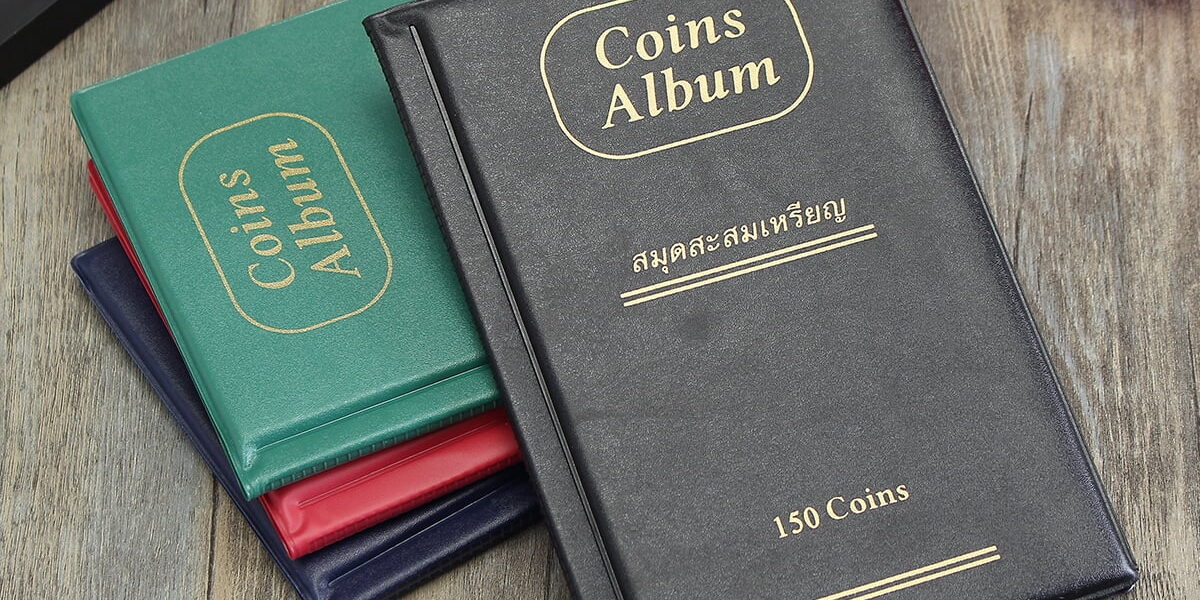
Don’t clean them. I know, I know — that tarnished nickel looks like it could use a scrub. But cleaning destroys collector value every single time. Store them in inert holders or albums. Handle with gloves or by the edges. If something on the coin genuinely needs attention, talk to a professional conservator before you touch it.
Why People Keep Coming Back to This Series
Fraser captured something with this design that transcends coin collecting. The Native American chief and the bison represent a specific moment in American history — the end of the frontier era, the beginning of the modern age. Holding a Buffalo nickel feels different than holding most other coins. There’s a weight to it, and I don’t just mean the 5 grams.
For beginners, this series is a perfect starting point. Common dates are cheap, the design is gorgeous, and you’ll learn the fundamentals of grading and collecting along the way. For advanced collectors, the key dates and varieties provide enough challenge to stay engaging for years.
The Community Side of Collecting
One thing I didn’t expect when I started was how social this hobby is. Clubs, online forums, and social media groups are packed with people who love talking about Buffalo nickels. I’ve made real friendships through coin collecting — people who’ll text me when they spot something interesting at a show, or who I’ll call when I need a second opinion on a grade. That community aspect makes the hobby richer than any single coin ever could.
Recommended Collecting Supplies
Coin Collection Book Holder Album – $9.99
312 pockets for coins of all sizes.
20x Magnifier Jewelry Loupe – $13.99
Essential tool for examining coins and stamps.
As an Amazon Associate, we earn from qualifying purchases.