
Coin collecting has gotten complicated with all the conflicting information flying around. As someone who has been deep in numismatics for over a decade, I learned everything there is to know about whether this hobby is still growing. Today, I will share it all with you.
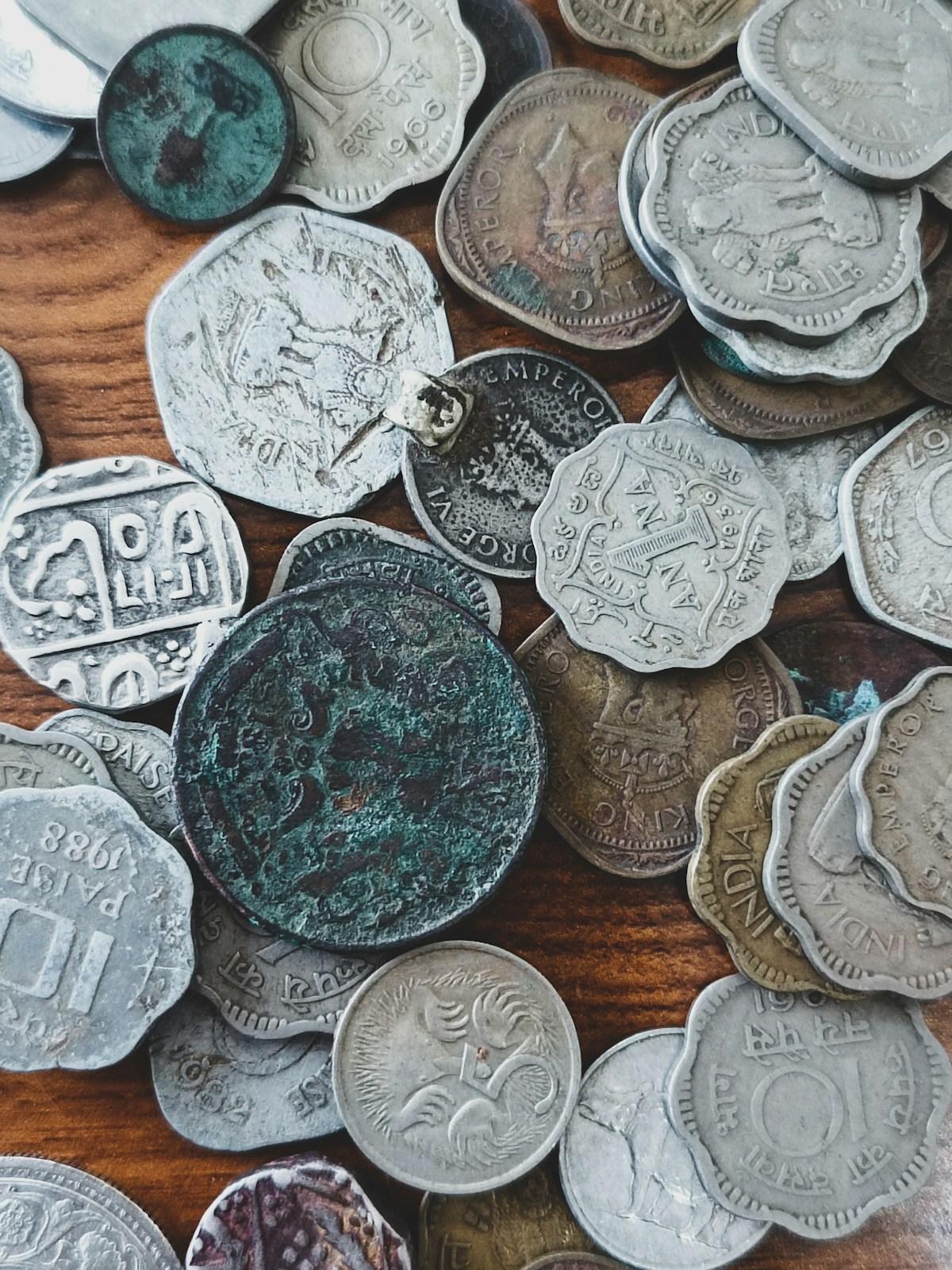
Probably should have led with this section, honestly. Coin collecting, or numismatics, has been around for centuries. Kings, scholars, and everyday folks have all been drawn to these miniature pieces of history. Each coin tells a story of political shifts, economic changes, and cultural connections. That historical significance gives our hobby a timeless appeal that digital collectibles simply cannot replicate.
The internet has completely transformed how we collect. Online auctions and marketplaces have opened up access to rare coins from every corner of the globe. Social media groups and forums connect collectors across continents, letting us share finds, learn from each other, and build relationships that would have been impossible just twenty years ago. This accessibility has brought more people into the fold than ever before.
That’s what makes coin collecting endearing to us collectors — we’re part of something bigger than ourselves, a community that spans generations and borders.
Economic uncertainty has also driven new interest in our hobby. When markets get shaky, people start looking at tangible assets. Coins minted from precious metals like gold and silver have always served as a hedge against inflation. I have watched a whole new demographic of investors discover numismatics over the past few years, folks who started out treating coins purely as investments but ended up falling in love with the history and artistry.
Now, I won’t pretend everything is perfect. The younger generation tends to gravitate toward digital hobbies like gaming and coding. Coin collecting requires patience, knowledge, and a willingness to learn — barriers that can turn some people away. That’s why numismatic societies and local clubs have stepped up their educational outreach. Youth programs, scholarships, and beginner resources are more accessible than ever.
Environmental concerns come up too. Mining metals has an impact, and eco-conscious collectors think about that. The good news? Collecting historical coins instead of newly minted ones aligns perfectly with sustainable practices. You’re preserving existing pieces rather than driving demand for new production.
Looking at the industry numbers, the signs point toward growth. Major coin shows still draw huge crowds. High-value auction sales make headlines regularly. The U.S. Mint and world mints keep releasing limited editions that sell out fast. That kind of demand tells me the hobby remains healthy and vibrant.
Education remains the key to our future. More societies now offer programs specifically designed to engage kids and newcomers. These initiatives pass on knowledge and enthusiasm to the next generation, ensuring coin collecting doesn’t just survive but thrives.
So is coin collecting still growing? From where I sit, absolutely. The blend of historical significance, the excitement of hunting for rare pieces, and the strong community support keeps drawing new enthusiasts. As long as coins carry stories worth telling, people will want to collect and preserve them. This hobby isn’t going anywhere — it’s adapting, evolving, and growing right along with us.




Leave a Reply