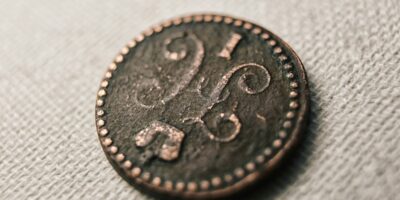
Die variety research has gotten complicated with all the catalogs, numbering systems, and competing attributions flying around. As someone who has spent years examining coins under magnification hunting for the unusual, I learned everything there is to know about finding varieties the previous owner missed. Today, I will share it all with you.
What Makes a Die Variety
Every coin gets struck between two dies. When those dies have imperfections – doubled images, repunched mintmarks, clashed designs, physical cracks – the struck coins inherit those features. Find the feature, identify the die, and you’ve got a variety.
My first real variety find was a 1955 doubled die cent that someone had sold as a regular coin. The doubling was obvious once I knew where to look. That coin paid for my first good microscope.
Recent Discoveries Worth Knowing About
Morgan Dollar Varieties
The VAM catalog for Morgan dollars keeps growing. Even after all these years, researchers find new die marriages, undocumented die states, and previously unknown doubled dies. I check every Morgan that crosses my desk against my VAM references.
Lincoln Cent Varieties
Lincoln cents offer endless hunting opportunities. New doubled dies get discovered regularly, and the catalogs expand constantly. Even modern Shield cents yield discoveries for patient searchers. I’ve found three attributable varieties in the last two years just from bank rolls.
Modern Coins
People think variety hunting ended with old coins. Wrong. Presidential dollars, America the Beautiful quarters, and other modern series produce varieties just like historical issues did. The dies still break, clash, and double. You just need to look.
How I Actually Find Varieties
Equipment That Matters
You need decent magnification – 10x minimum, but I usually work at 20x for serious examination. Good lighting matters more than most people realize. I use an adjustable LED ring light that lets me change angles to catch subtle doubling.
Probably should have led with this section, honestly. Without proper equipment, variety hunting is just frustrating.
My Search Process
I examine coins systematically:
- Check dates first – any doubling, repunching, or strange elements
- Examine mintmarks for repunching (on older coins) or positioning issues
- Study key design areas where doubling commonly appears
- Compare against photographs of known varieties
When something looks unusual, I document it with clear photos before researching further. Found something nobody else has cataloged? That’s the best feeling in the hobby.
Where to Hunt
My best sources:
- Dealer junk boxes at shows – seriously underrated
- Bulk lots from estate sales
- Bank rolls for modern varieties
- Already-graded coins that weren’t variety-attributed
That last one surprises people. Grading services don’t catch everything. I’ve pulled coins from generic slabs that turned out to be significant varieties worth multiples of what I paid.
Resources Every Variety Hunter Needs
The Cherrypickers’ Guide
Bill Fivaz and J.T. Stanton’s guide covers valuable varieties across U.S. coinage. Multiple volumes, different denominations. Essential reference. I keep my copies within arm’s reach of my desk.
Series-Specific References
For Morgan and Peace dollars, the VAM guide is indispensable. Lincoln cent hunters use CONECA references. Shield cent collectors rely on Flynn. Whatever you collect seriously, find the specialized reference for that series.
Online Communities
VAMWorld changed Morgan dollar collecting. VarietyVista helps with other series. Forums and Facebook groups connect variety hunters worldwide. When I find something unusual, I can get attribution help within hours from experts I’ve never met in person.
That’s what makes variety hunting endearing to us die-hard collectors – the community shares knowledge freely because we all benefit from better documentation.
What Varieties Are Worth
Major doubled dies command serious premiums. The 1955 doubled die cent I mentioned? Worth hundreds of times what a normal 1955 cent brings. Significant VAM varieties on Morgan dollars can multiply value by 10x or more.
But here’s the real opportunity: cherrypicking. Find a variety priced as a common coin, buy it, get it attributed, and you’ve created value through knowledge alone. I’ve paid $20 for coins worth $500 because the seller didn’t know what they had.
Getting Started
Pick a series you already collect. Get the relevant variety reference. Learn the major varieties for that series. Then start examining every coin that matches those dates and mintmarks.
You’ll examine hundreds of common coins before finding anything. That’s normal. But when you do find something, when you spot doubling that the previous three owners missed, when you realize you’re holding a coin worth ten times what you paid – that moment makes all the searching worthwhile.
Variety research is numismatics at its most detective-like. We’re adding to collective knowledge, one coin at a time. The thrill of discovery keeps me examining coins under magnification year after year.