Uncovering the True Value of Your Nickels
Nickel values have gotten complicated with all the exaggerated online listings and clickbait articles flying around. As someone who’s been collecting nickels across every series — from Shield through Jefferson — and once pulled a 1950-D out of a bank roll that made my whole week, I learned everything there is to know about what these five-cent coins are actually worth. Today, I will share it all with you.
Here’s the reality: most nickels are worth five cents. But some? Some are worth a whole lot more. The trick is understanding the difference.
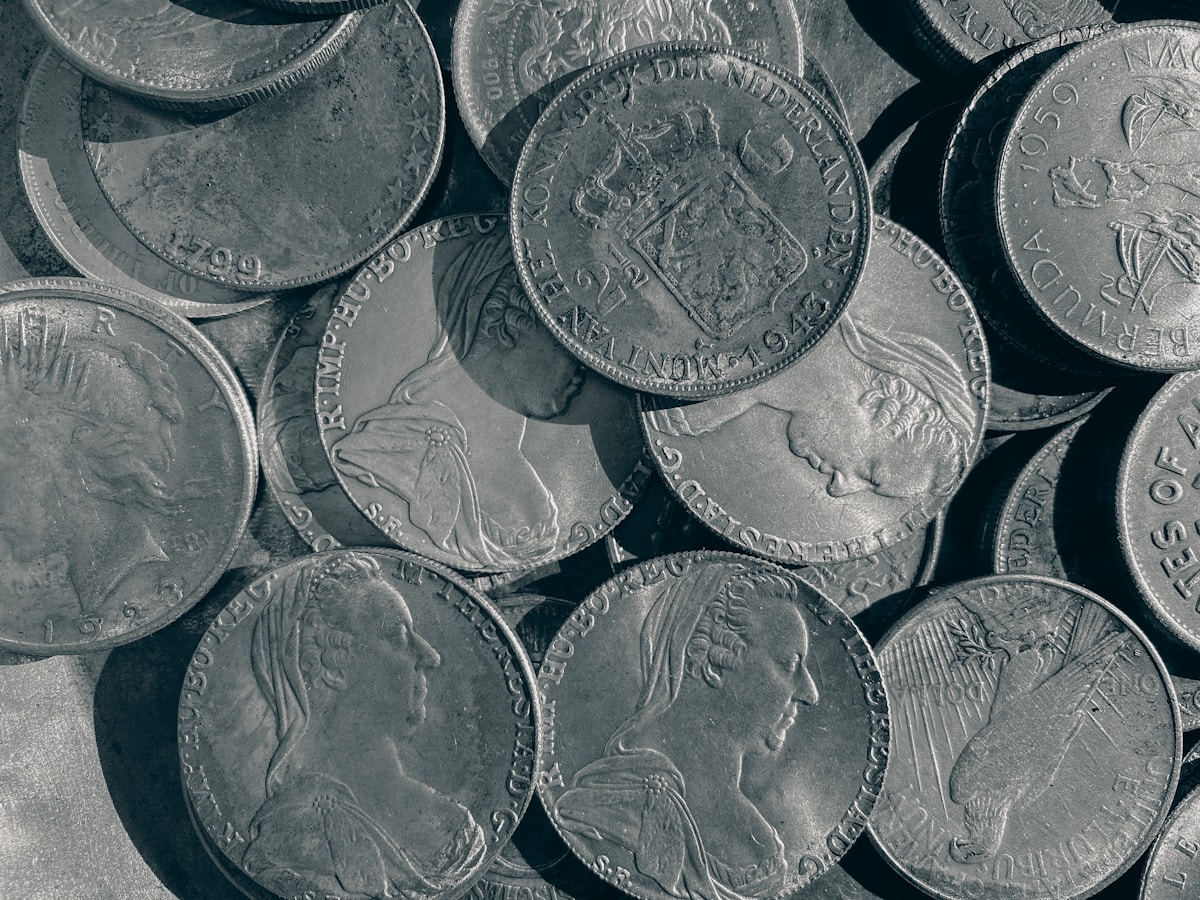
What’s Actually Inside a Nickel
Standard nickels are 75% copper and 25% nickel. That mix has been the formula for most of the 20th and 21st centuries. The intrinsic metal value fluctuates with commodity prices — during periods when copper and nickel prices spike, the melt value of a nickel can actually approach or exceed five cents.
Quick side note: melting U.S. coins for their metal content is illegal. The government doesn’t want a coin shortage because people are melting down nickels for scrap. Just something to keep in mind if you’re thinking about the metal angle.
When a Nickel Becomes More Than a Nickel
Probably should have led with this section, honestly. The numismatic value — what collectors will pay based on rarity, age, and condition — is where things get exciting. A worn common-date Jefferson nickel? Five cents. A pristine 1913 Liberty Head Nickel? Millions. The range is massive.
Buffalo Nickels from 1913 to 1938 are a sweet spot for many collectors. Even in moderate condition, they’re worth several times face value. The design is beautiful, the history is rich, and there are enough varieties and key dates to keep you busy for years.
The Nickels Worth Real Money
- 1913 Liberty Head Nickel: Only five known specimens. This is the holy grail of nickel collecting, and the last time one sold at auction, it went for millions. I’ll never own one, but I love reading about them.
- 1942-1945 Wartime Nickels: These contain 35% silver because nickel was needed for the war effort. They have a large mint mark above Monticello on the reverse. The silver content gives them intrinsic value above face, and collectors pay premiums for nice examples.
- 1950-D Jefferson Nickel: Low mintage made this the key date in the Jefferson series. Finding one in a bank roll is unlikely but not impossible — I know because it happened to me.
That’s what makes nickels endearing to us collectors — there are surprises hiding in plain sight if you know what to look for.
What Drives a Nickel’s Value Up
Minting errors are a big one. Double die errors, off-center strikes, wrong planchet errors — these oddities can make an otherwise common nickel worth serious money. I’ve seen error nickels sell at auction for prices that make newcomers do a double take.
Condition matters enormously too. The grading scale runs from Good (G-4) up to Mint State (MS-70). An MS-70 coin is essentially perfect — no marks, full strike, complete luster. The jump in value from a VF to an MS-65 of the same date can be dramatic. I’m talking 10x, 50x, sometimes more depending on the coin.
Keeping Up with the Market
The numismatic market isn’t static. Economic conditions affect collector behavior — during uncertain times, people sometimes move into tangible assets like coins, which drives up demand and prices. When things stabilize, prices can soften. I track auction results and follow collector forums to keep a pulse on what’s happening. It’s not glamorous research, but it helps me make better buying decisions.
Getting Your Nickels Appraised
If you think you have something valuable, get a professional opinion. A reputable numismatist can evaluate condition, rarity, and historical significance in ways that online photos and descriptions just can’t match. For high-value coins, professional grading services like PCGS or NGC provide certification that adds credibility and liquidity when it’s time to sell.
Selling options range from simple (eBay, local coin shops) to more involved (auction houses). For common nickels, straightforward platforms work fine. For rare or high-value pieces, auction houses typically get better results because they attract serious collectors willing to bid competitively.
Taking Care of Your Coins
Store nickels in a cool, dry place. Use protective sleeves or coin albums. Handle by the edges. Don’t clean them — I’ve watched people ruin the value of nice coins by scrubbing them with a cleaning solution. That original surface, even if it looks dark or “dirty” to untrained eyes, is exactly what experienced collectors want to see.
The nickel might seem like a humble coin, but it carries more potential value than most people realize. From wartime silver to legendary rarities, these five-cent pieces have stories to tell and values that can surprise. Whether you’re sorting through a jar of change or hunting for key dates at a coin show, every nickel deserves at least a quick look. You never know which one might be the find that changes your perspective on the hobby entirely.
Recommended Collecting Supplies
Coin Collection Book Holder Album – $9.99
312 pockets for coins of all sizes.
20x Magnifier Jewelry Loupe – $13.99
Essential tool for examining coins and stamps.
As an Amazon Associate, we earn from qualifying purchases.