Understanding what coin collectors are actually looking for has gotten complicated with all the conflicting advice and speculation flying around. As someone who has been buying and selling coins at shows for over twenty years, I learned everything there is to know about what drives collectors to open their wallets. Today, I will share it all with you.
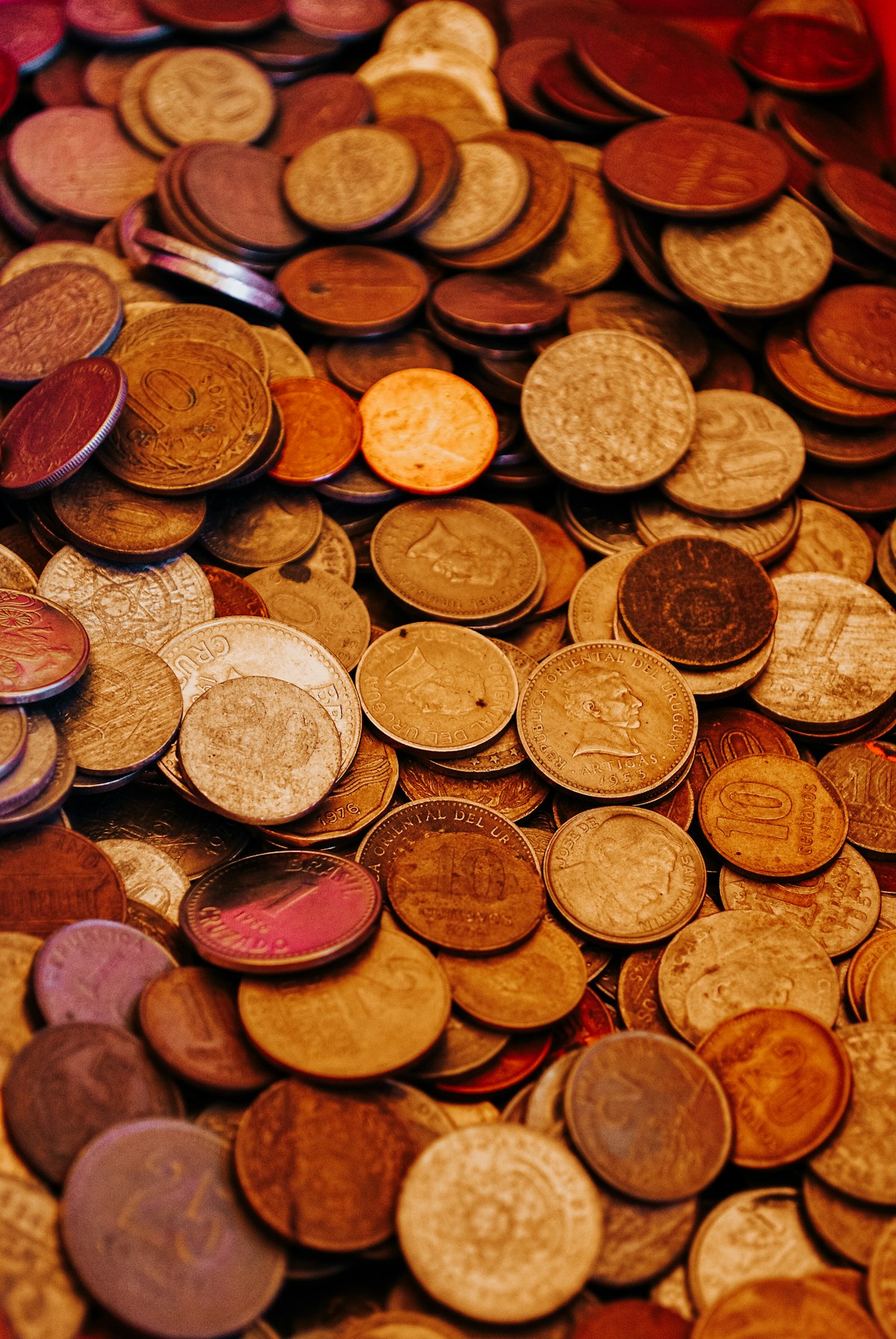
Probably should have led with this section, honestly. The number one thing that draws collectors to a coin is historical significance. We want pieces that connect us to moments in time — coins minted during significant reigns, struck at mints that no longer exist, or currency that circulated during pivotal events. I picked up a coin last year that was minted the same year as the American Revolution, and I still catch myself pulling it out of the case just to hold it and think about what the world was like when it was brand new.
That’s what makes rarity endearing to us collectors — a scarce coin feels like you’re holding something special that most people will never even see. Limited mintage runs, errors that slipped through quality control, coins that somehow survived from eras when few were made — these pieces command serious attention. I’ve watched collectors get into bidding wars over coins that look unremarkable to the untrained eye, simply because the population reports show only a handful exist in that grade.
Condition matters more than most newcomers realize. We grade coins on a scale from ‘Poor’ to ‘Mint State,’ and the difference between grades can mean thousands of dollars. A coin in MS-65 might sell for ten times what the same date and mint mark brings in MS-62. I’ve learned to examine coins under proper lighting before purchasing, checking for scratches, cleaning, and wear patterns that affect the grade. The best-preserved examples become the anchors of serious collections.
Visual appeal plays a bigger role than the grading numbers suggest. Collectors develop an eye for coins with attractive toning, strong strikes, and clean fields. Two coins with identical grades can look completely different, and the one with better eye appeal almost always commands the premium. I’ve passed on technically high-grade coins because something about them just looked off — call it collector’s intuition built up over years of handling coins.
Provenance adds another layer of value that fascinates me. When a coin comes with documentation showing it was part of a famous collection — like the Eliasberg or Norweb holdings — collectors will pay extra for that history. The story of who owned a coin can be almost as interesting as the coin itself. I own a piece that came from a collection assembled in the 1940s, and knowing its journey through different hands adds meaning that goes beyond its grade or rarity.
Investment potential drives some collectors more than others, but it’s always a consideration. Coins have historically held value well, and certain segments of the market have delivered returns that rival traditional investments. Smart collectors watch auction results, track population reports, and develop a sense of which coins are undervalued relative to their scarcity. I’ve made some purchases purely because I believed the market hadn’t caught up to how scarce certain coins actually were.
Finally, there’s community and cultural connection. Collectors often focus on coins from their own country or heritage as a way of preserving and connecting with their history. The social aspect matters too — coin clubs, shows, and online forums create friendships built around shared passion. Some of my closest friendships started at coin shows, bonding over our mutual obsession with these small pieces of metal that carry so much history. That sense of belonging keeps people collecting long after they’ve completed the sets they initially targeted.



Leave a Reply