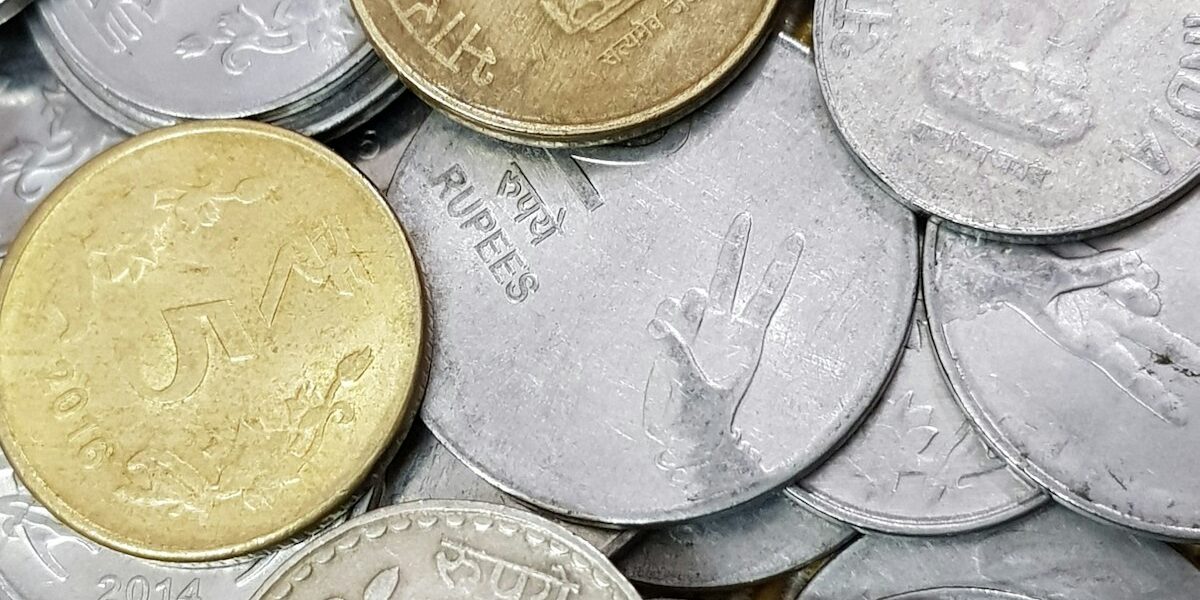
Understanding what coin collecting actually involves has gotten complicated with all the misconceptions and outdated stereotypes flying around. As someone who stumbled into numismatics at a young age when my grandfather handed me a coffee can full of wheat pennies, I learned everything there is to know about this surprisingly deep hobby. Today, I will share it all with you.
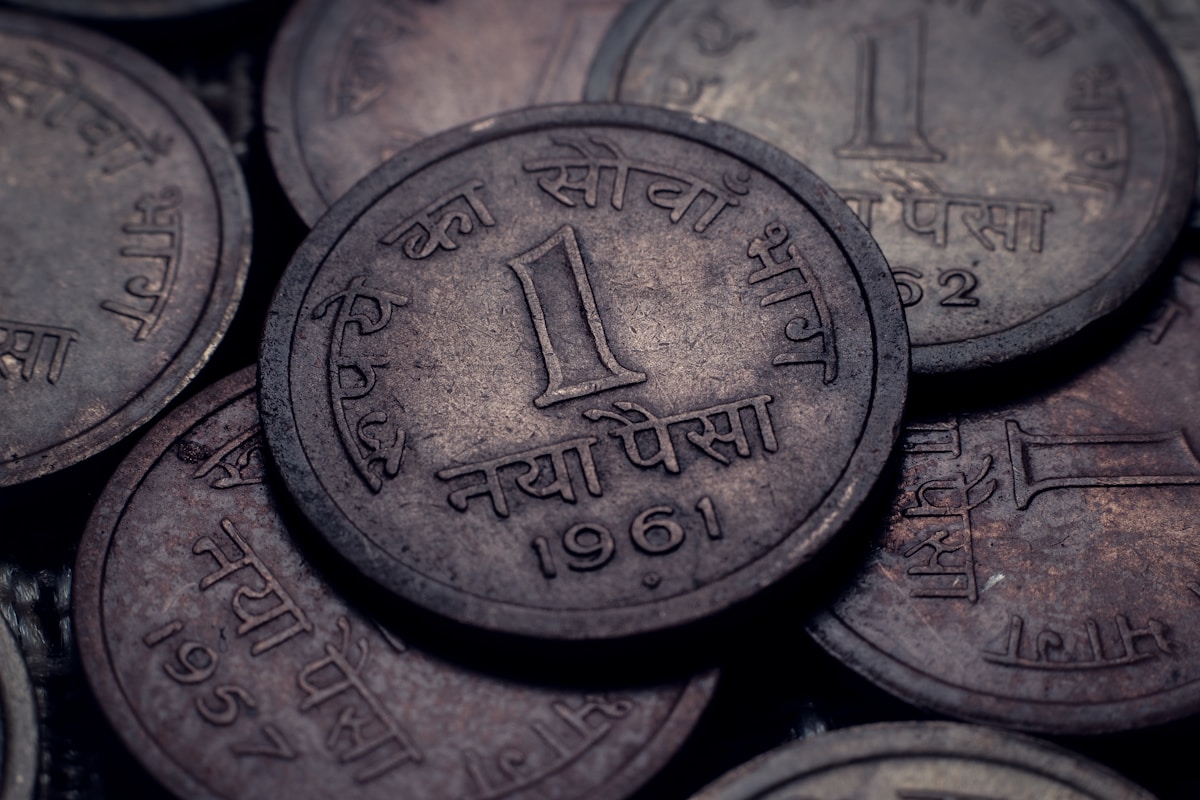
Coin collecting, formally known as numismatics, encompasses the collection of coins, tokens, paper money, and sometimes related objects like medals and medallions. But reducing it to “collecting stuff” misses the point entirely. At its heart, numismatics is about connecting with history, appreciating craftsmanship, and yes, sometimes making smart investments. The motivations driving collectors are as diverse as the coins themselves.
Probably should have led with this section, honestly. The roots of coin collecting trace back to ancient kings and nobles who kept coins as treasures, artifacts, and symbols of their power. What was once exclusively a pursuit of the wealthy has transformed dramatically over the centuries. Today, people from every walk of life engage in coin collecting—from students searching through pocket change to retirees building museum-quality collections.
That’s what makes coin collecting endearing to us enthusiasts—the hobby meets you wherever you are. Starting out requires nothing more than curiosity and attention to the coins passing through your hands every day.
One of the first steps in becoming a collector is understanding the vast range of what you can collect. Ancient coins minted by long-fallen empires. Medieval pieces that changed hands in marketplaces a thousand years ago. Modern commemoratives celebrating everything from moon landings to national parks. Some collectors focus on a single country or era. Others build thematic collections around subjects like animals, famous figures, or historical events. There’s no wrong approach—the hobby accommodates every interest.
The value of any given coin depends on several factors: rarity, demand, condition, and historical significance. Rare coins in pristine condition naturally command premium prices. But here’s something newcomers often overlook—many collectors derive genuine satisfaction from the hunt and the learning process without focusing on potential financial returns. The joy of finding that missing piece for your collection can’t be measured in dollars.
Condition matters enormously in numismatics. Coins are graded on a scale from “Poor” to “Mint State,” with professional grading services like those offered through the American Numismatic Association providing authoritative assessments. Learning to evaluate condition yourself takes time, but it’s an essential skill that every serious collector develops. The grading considers preservation, surface quality, and overall eye appeal.
For many of us, the educational dimension provides the deepest rewards. Through coins, you learn about different cultures, pivotal historical events, and the evolution of monetary systems across civilizations. Each coin represents a miniature piece of art, offering insight into the aesthetic sensibilities and technical capabilities of the people who created it. I’ve learned more history from studying coins than I ever did in school, and I suspect many collectors would say the same.
The social aspect of coin collecting shouldn’t be underestimated either. Clubs and societies bring enthusiasts together to share collections, exchange hard-won knowledge, and build genuine friendships. These gatherings—whether local club meetings or major conventions—become venues for discovery, learning, and the kind of camaraderie that only shared passion creates.
The internet has revolutionized every aspect of the hobby. Online forums connect collectors across continents. Auction platforms make rare coins accessible regardless of geography. Educational resources that once required expensive books or society memberships are now freely available. You can now learn from and trade with peers worldwide in ways previous generations couldn’t imagine.
A word of caution for those just starting out: the market can fluctuate, and authentication matters. Counterfeits exist, and unscrupulous sellers occasionally prey on inexperienced buyers. Educate yourself thoroughly and work with reputable dealers, especially when making significant purchases. The collector community generally welcomes newcomers and offers guidance—take advantage of that support.
Ultimately, coin collecting offers a unique combination of historical exploration, artistic appreciation, and investment potential. Whether you’re in it purely for enjoyment, long-term value, or both, numismatics provides a lifelong pursuit that continues captivating enthusiasts around the globe. That coffee can of wheat pennies my grandfather gave me? It launched an obsession I’ve never outgrown.


Leave a Reply