
Tracing the origins of coinage has gotten complicated with all the competing claims and oversimplified histories flying around. As someone who has spent years researching ancient monetary systems and examining coins from civilizations that vanished millennia ago, I learned everything there is to know about who deserves credit for inventing coined money. Today, I will share it all with you.
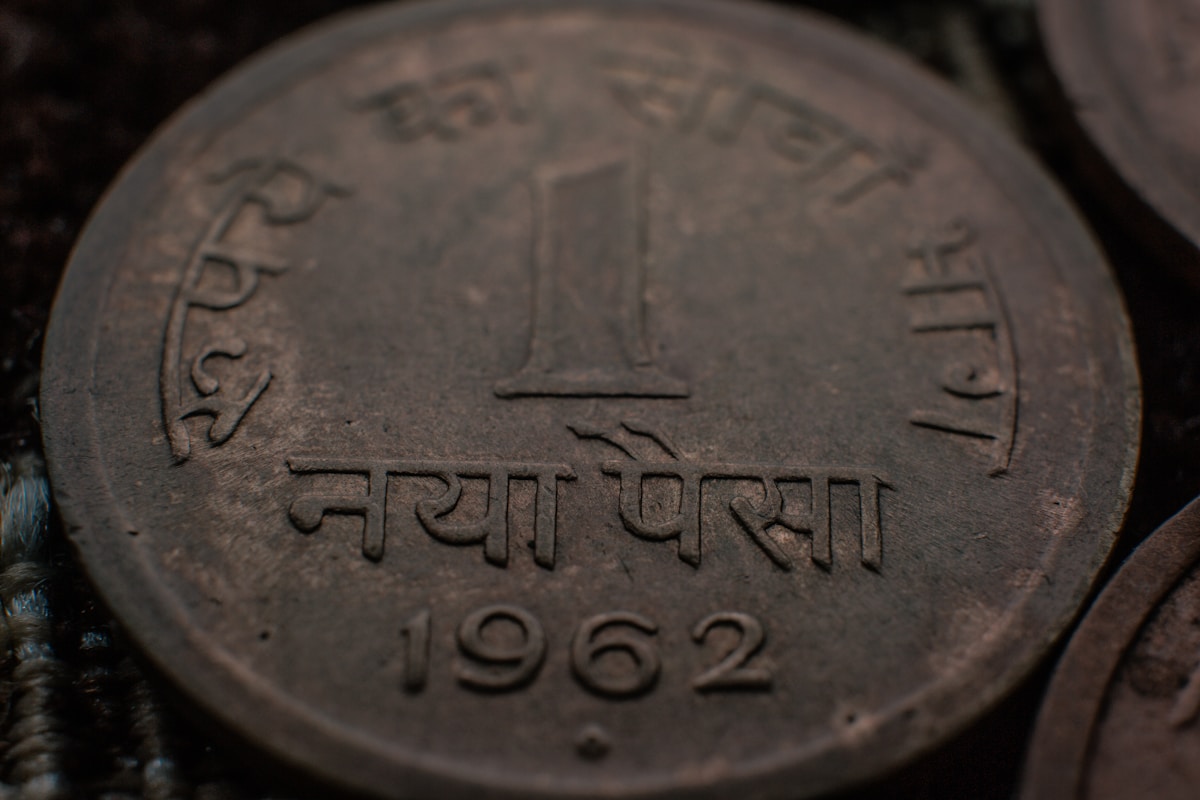
The “father of the coin” isn’t a single individual—it’s an entire civilization. The Lydians, an ancient culture from what is now modern-day Turkey, pioneered the use of minted coinage around 700 BC. This innovation fundamentally transformed how humans conduct commerce, and its echoes reverberate through every financial transaction we make today.
Probably should have led with this section, honestly. King Alyattes, who ruled Lydia from 619 to 560 BC, is often credited with producing the world’s first official currency. The coins minted during his reign represent a revolutionary leap in economic thinking. These early pieces were struck from electrum, a naturally occurring alloy of gold and silver, and stamped with official marks certifying their authenticity and value. For the first time in human history, small metal objects carried guaranteed worth backed by state authority.
That’s what makes the Lydian innovation endearing to us numismatists—they didn’t just create coins, they created the entire concept of standardized, state-backed currency that we still rely on today.
Before coinage, trade operated on the barter system, which came with serious limitations. You needed someone who wanted exactly what you had and possessed exactly what you wanted. This “double coincidence of wants” made commerce cumbersome and limited economic growth. Lydian coins changed everything. They offered portability—you could carry significant value in your pocket. They provided durability—unlike grain or livestock, coins didn’t spoil or die. And they allowed divisibility—transactions of any size became possible.
These characteristics enabled trade over vastly larger distances and between more diverse groups of people. The standardization of currency also permitted more complex economic systems to emerge. Banking, lending, investment—these concepts all became practical once reliable currency existed. The foundations of modern financial systems trace directly back to those first Lydian coins.
The idea spread rapidly once introduced. Neighboring civilizations recognized the advantages and adopted coinage, each adding distinctive cultural and political marks. The Greeks became especially renowned for their coin designs, featuring intricate depictions of gods, heroes, and mythological scenes. Greek coins weren’t merely economic instruments—they functioned as propaganda and art, communicating power and cultural values. The Persians developed their own coinage traditions, as did civilizations throughout the Mediterranean and beyond.
Beyond pure economics, coins served critical social and political functions. They became early mass communication tools, disseminating the sovereign’s image and authority to populations that might never see their ruler in person. The imagery and inscriptions conveyed messages about legitimacy, military victories, and divine favor. In many ways, ancient coins functioned like portable billboards for the state.
Fast forward to our present era, and the concept of currency continues evolving with digital payments and cryptocurrencies. Yet the basic principles that make money work—trust, authenticity, and utility—remain unchanged from those first Lydian innovations. We still need confidence that our currency holds value, verification that it’s genuine, and practical usefulness in daily transactions.
While pinpointing a single “father of coin” proves difficult, the Lydians under King Alyattes unquestionably played the crucial role in birthing coinage as we understand it. Their invention ranks among humanity’s greatest financial innovations, demonstrating remarkable ingenuity in pursuit of economic efficiency and stability. Every time you use money in any form, you’re participating in a system those ancient Anatolian innovators made possible nearly three thousand years ago.




Leave a Reply