The numismatic market faces an unprecedented wave of Chinese counterfeit coins flooding online marketplaces and coin shows across the United States. Collectors must remain vigilant as these fakes have become increasingly sophisticated, fooling even experienced dealers.
The Scale of the Problem
According to estimates from the Anti-Counterfeiting Educational Foundation (ACEF), millions of counterfeit coins enter the U.S. market annually. The majority originate from manufacturing operations in China, where counterfeit production has become a significant industry. These operations produce everything from common date Morgan dollars to rare key dates and gold coins.
eBay remains a primary distribution channel for counterfeits, despite the platform’s efforts to combat the problem. Counterfeit sellers often operate multiple accounts, cycling through new identities when banned. Common tactics include using stock photos of genuine coins while shipping fakes, or listing coins as “replicas” in small print while featuring them alongside authentic pieces.
Most Commonly Counterfeited Coins
Certain coins attract counterfeiters due to their high values and collector demand:
- Morgan and Peace Dollars: Key dates like 1893-S, 1895, and 1928 Morgan dollars appear frequently as counterfeits. The 1921 Peace dollar high relief is another favorite target.
- Gold Coins: Saint-Gaudens double eagles, Indian head eagles, and Liberty head gold pieces in all denominations face widespread counterfeiting.
- Early American Coins: Draped Bust and Capped Bust coins, particularly in higher grades, attract counterfeiters targeting the early Americana market.
- Commemoratives: Low-mintage commemorative coins, especially early silver commemoratives, see heavy counterfeiting activity.
How to Spot Counterfeits
Protecting yourself requires attention to several factors:
Weight and Dimensions
Genuine U.S. coins meet precise specifications. A Morgan dollar should weigh 26.73 grams and measure 38.1mm in diameter. Counterfeiters often miss these specifications by measurable margins. Invest in a precision scale accurate to 0.01 grams.
Metal Composition
Many counterfeits use incorrect alloys. A Fisch-style gauge can detect dimensional and weight discrepancies. Specific gravity tests, while more complex, provide definitive metal composition analysis.
Die Characteristics
Study known die markers for valuable coins. Genuine coins show specific die cracks, polish lines, or other characteristics documented by numismatic researchers. Counterfeit dies rarely replicate these subtle features accurately.
Surface Quality
Authentic coins display a specific luster from the striking process. Cast counterfeits often show a grainy, porous surface under magnification. Transfer dies produce coins lacking the sharpness of genuine strikes.
Warning Signs When Buying
Red flags that should prompt additional scrutiny:
- Prices significantly below market value
- Sellers with limited feedback or new accounts
- Stock photos instead of actual coin images
- Reluctance to provide additional photographs
- Claims of coins coming from “estate sales” or “grandparent’s collection”
- Multiple rare coins available from a single seller
Third-Party Grading Protection
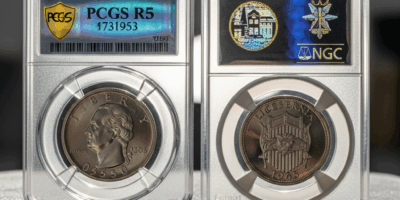
Purchasing coins graded by PCGS or NGC provides the strongest protection against counterfeits. Both services guarantee authenticity and will make buyers whole if a coin later proves counterfeit. However, even slabbed coins warrant verification, as counterfeit holders have appeared in the market.
The PCGS and NGC websites allow verification of certification numbers. Always check that the certification number, grade, and coin description match what appears in the company’s database before purchasing.
What to Do If You Suspect a Counterfeit
If you believe you’ve encountered a counterfeit:
- Do not return the coin to the seller before documentation
- Photograph the coin extensively
- Submit the coin to PCGS or NGC for authentication
- Report the seller to the platform and ACEF
- File a report with the U.S. Secret Service, which investigates counterfeiting
The Hobby Protection Act requires that imitation coins be marked “COPY.” Selling unmarked counterfeits as genuine violates federal law, making enforcement possible when counterfeiters are identified.
Staying Protected
The best defense against counterfeits combines education, verification, and purchasing from reputable sources. Buy the book before you buy the coin – reference works documenting genuine die characteristics prove invaluable. Establish relationships with trusted dealers who stand behind their sales. When deals seem too good to be true, they usually are.
The counterfeit problem will persist as long as coin collecting remains popular and valuable. Informed collectors who understand the risks and take appropriate precautions can navigate the market successfully while avoiding costly mistakes.


Stay in the loop
Get the latest numisma news updates delivered to your inbox.